Fake email invoices: The expensive click


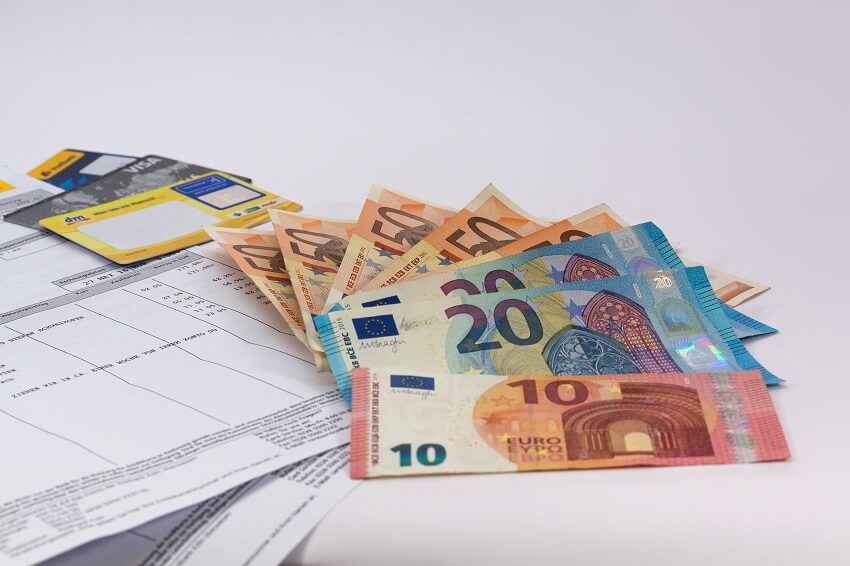
In the digital world, scams are commonplace and one of the most common scams is fake invoices sent via email. If a customer falls for such an email and pays the requested amount, it can be complicated and often impossible to get the money back. Scammers are becoming more sophisticated and the legal hurdles are high. This article sheds light on the legal aspects, gives tips on how to protect yourself and shows why the responsibility often lies with the customer himself. At a time when online transactions are becoming more common, understanding these issues is more important than ever.
Fake email invoices: The expensive click
In the digital world, scams are commonplace and one of the most common scams is fake invoices sent via email. If a customer falls for such an email and pays the requested amount, it can be complicated and often impossible to get the money back. Scammers are becoming more sophisticated and the legal hurdles are high. This article sheds light on the legal aspects, gives tips on how to protect yourself and shows why the responsibility often lies with the customer himself. At a time when online transactions are becoming more common, understanding these issues is more important than ever.
The scam with the fake invoice
The scam with the fake invoice
Fake invoices via email are a growing problem. Scammers often use official-looking logos and wording to trick their victims. The invoices may be for products or services that were never ordered or delivered.
How to recognize fake emails?
1. Unknown Sender
If the email comes from an unknown or suspicious address, one should be careful. Scammers often use similar but slightly different email addresses that appear legitimate at first glance.
2. Spelling and grammatical errors
Many fake emails contain spelling and grammatical errors. Professional companies usually pay attention to correct language.
3. Unusual salutation
If the email begins with a generic or unusual salutation, such as “Dear Customer” instead of your name, this could be an indication of a spoofed email.
4. Request for personal information
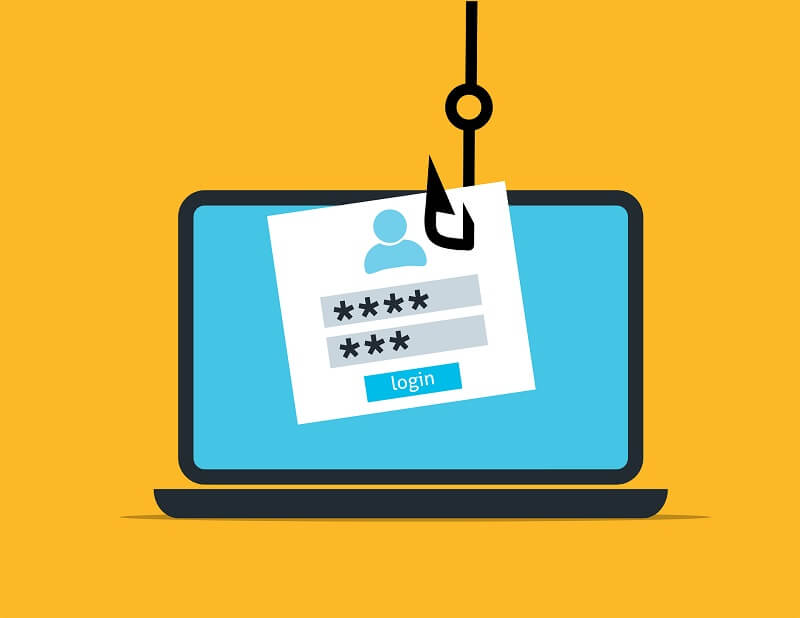
Phishing emails often ask for personal or financial information to be disclosed. Legitimate companies typically do not ask for such sensitive information via email.
5. Urgency
A common tactic used by scammers is to feign urgency, such as threatening fines or banning accounts if immediate action is not taken.
6. Unusual links or attachments
Suspicious links or attachments, especially if not expected, should be a red flag. Hover your mouse over the link (without clicking) to see the actual URL. Supposed invoices that are sent as an HTML document instead of the usual PDF document are also popular. If you receive an email with such an attachment, you can delete the email immediately. Because here you will also be directed to a fake website.
7. Unusual requests
If the email asks you to do something unusual, like pay an unfamiliar bill or click an unfamiliar link, be skeptical.
8. Check the company
If you are unsure whether an email is legitimate, contact the company directly using the official website or phone number, not the contact information provided in the suspicious email.

Fake invoices via email are a growing problem. Scammers often use official-looking logos and wording to trick their victims. The invoices may be for products or services that were never ordered or delivered.
How to recognize fake emails?
1. Unknown Sender
If the email comes from an unknown or suspicious address, one should be careful. Scammers often use similar but slightly different email addresses that appear legitimate at first glance.
2. Spelling and grammatical errors
Many fake emails contain spelling and grammatical errors. Professional companies usually pay attention to correct language.
3. Unusual salutation
If the email begins with a generic or unusual salutation, such as “Dear Customer” instead of your name, this could be an indication of a spoofed email.
4. Request for personal information
Phishing emails often ask for personal or financial information to be disclosed. Legitimate companies typically do not ask for such sensitive information via email.
5. Urgency
A common tactic used by scammers is to feign urgency, such as threatening fines or banning accounts if immediate action is not taken.
6. Unusual links or attachments
Suspicious links or attachments, especially if not expected, should be a red flag. Hover your mouse over the link (without clicking) to see the actual URL. Supposed invoices that are sent as an HTML document instead of the usual PDF document are also popular. If you receive an email with such an attachment, you can delete the email immediately. Because here you will also be directed to a fake website.
7. Unusual requests
If the email asks you to do something unusual, like pay an unfamiliar bill or click an unfamiliar link, be skeptical.
8. Check the company
If you are unsure whether an email is legitimate, contact the company directly using the official website or phone number, not the contact information provided in the suspicious email.
Legal Aspects
Legal Aspects
When a customer falls for a fake bill and pays, the responsibility often lies with them. Banks are usually not required to return the money because the transaction was authorized by the customer. However, there are some legal options that need to be checked on a case-by-case basis.
1. Prosecution of Fraudsters
Prosecuting perpetrators can be difficult, especially when they are based abroad. However, it is important to report the scam to the police as it can increase the chances of catching the perpetrators and bringing them to justice.
2. Consumer Protection
Some jurisdictions have consumer protection laws that could protect the consumer in certain circumstances. However, the exact rights and obligations may vary from country to country and from case to case.
3. Civil Claims
It might be possible to bring civil claims against the bank or company concerned if it can be shown that they acted negligently. However, this could be a lengthy and expensive process.
4. Privacy
If personal information was compromised through the scam, data protection laws could be relevant. Companies that do not adequately protect their customer data could be legally prosecuted.
5. Insurance Coverage
Some insurance policies may offer protection against fraud. It is worth checking your own insurance conditions and, if necessary, speaking to the insurer.
6. Legal advice
Since the legal situation is complex and depends on many factors, it is advisable to consult a lawyer in the event of fraud. A professional can assess the specific situation and indicate the best way to assert rights.
However, I warn against getting too much hope for success with the legal possibilities. Because it is not uncommon for the scammers to be based somewhere abroad and are hardly vulnerable to EU or even German law. Even tracking down the actual location of the company can become a detective work that customers then give up in exasperation.
The most important means and the best protection against fake invoices and fake shops on the Internet is and remains prevention, so that it doesn’t get that far in the first place. Take the time to check everything carefully in advance and use payment service providers with buyer protection such as PayPal.
When a customer falls for a fake bill and pays, the responsibility often lies with them. Banks are usually not required to return the money because the transaction was authorized by the customer. However, there are some legal options that need to be checked on a case-by-case basis.
1. Prosecution of Fraudsters
Prosecuting perpetrators can be difficult, especially when they are based abroad. However, it is important to report the scam to the police as it can increase the chances of catching the perpetrators and bringing them to justice.
2. Consumer Protection
Some jurisdictions have consumer protection laws that could protect the consumer in certain circumstances. However, the exact rights and obligations may vary from country to country and from case to case.
3. Civil Claims
It might be possible to bring civil claims against the bank or company concerned if it can be shown that they acted negligently. However, this could be a lengthy and expensive process.
4. Privacy
If personal information was compromised through the scam, data protection laws could be relevant. Companies that do not adequately protect their customer data could be legally prosecuted.
5. Insurance Coverage
Some insurance policies may offer protection against fraud. It is worth checking your own insurance conditions and, if necessary, speaking to the insurer.
6. Legal advice
Since the legal situation is complex and depends on many factors, it is advisable to consult a lawyer in the event of fraud. A professional can assess the specific situation and indicate the best way to assert rights.
However, I warn against getting too much hope for success with the legal possibilities. Because it is not uncommon for the scammers to be based somewhere abroad and are hardly vulnerable to EU or even German law. Even tracking down the actual location of the company can become a detective work that customers then give up in exasperation.
The most important means and the best protection against fake invoices and fake shops on the Internet is and remains prevention, so that it doesn’t get that far in the first place. Take the time to check everything carefully in advance and use payment service providers with buyer protection such as PayPal.

Popular Posts

Attack of the Chatbots – Claims Settlement in three seconds
The virtual assistant AI Jim from the insurance company Lemonades processes damage within 3 seconds.

The Sreference and the Wreference in Excel
Microsoft Excel: How to get S-reference and W-reference purposefully data out of a source.

How to comply with anti-virus programs state of the art for GDPR
Article 32 of the General Data Protection Regulation (DSGVO) states that companies must protect their data in accordance with the "state of the art".

Automatic backup of your files under Windows 10
You have invested a lot of work in creating your files! Let Windows 10 automatically create file backups to your specifications.

Calculate with date, time and working days in Excel
Calculating correctly with date, time and working days in Excel always causes uncertainty. We will explain step by step how it works.

How to create secure passwords for your online accounts
Each of us has a variety of online accounts that should all have a separate password if possible. But who should be able to remember everything ...
Offers 2024: Word & Excel Templates







Popular Posts
Attack of the Chatbots – Claims Settlement in three seconds
The virtual assistant AI Jim from the insurance company Lemonades processes damage within 3 seconds.
The Sreference and the Wreference in Excel
Microsoft Excel: How to get S-reference and W-reference purposefully data out of a source.
How to comply with anti-virus programs state of the art for GDPR
Article 32 of the General Data Protection Regulation (DSGVO) states that companies must protect their data in accordance with the "state of the art".
Automatic backup of your files under Windows 10
You have invested a lot of work in creating your files! Let Windows 10 automatically create file backups to your specifications.
Calculate with date, time and working days in Excel
Calculating correctly with date, time and working days in Excel always causes uncertainty. We will explain step by step how it works.
How to create secure passwords for your online accounts
Each of us has a variety of online accounts that should all have a separate password if possible. But who should be able to remember everything ...
Offers 2024: Word & Excel Templates