A turning point in EU policy on regulating AI


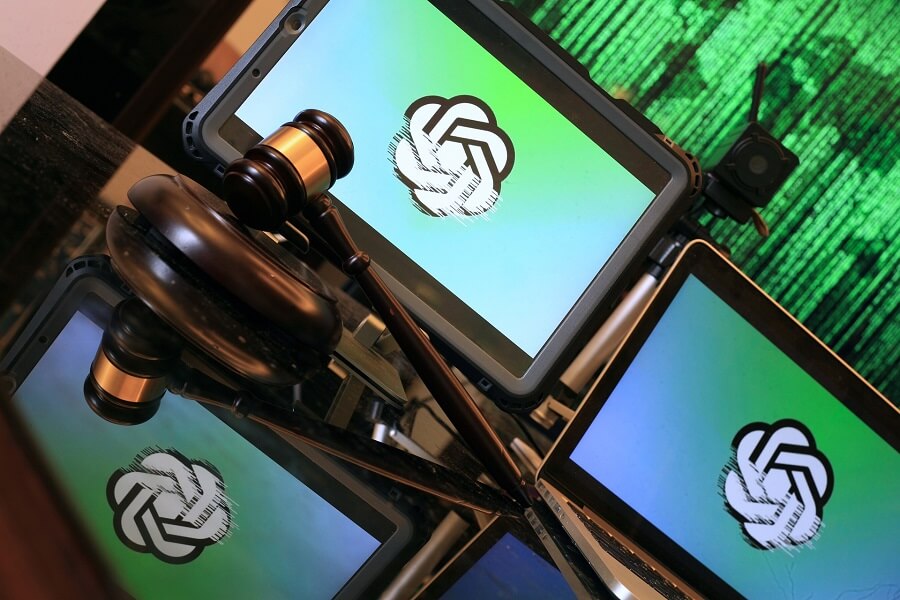
In an unprecedented initiative, the European Union has taken a decisive step towards shaping the future of Artificial Intelligence (AI). This landmark law marks a milestone in global technology policy and positions the EU as a pioneer in creating a legal framework for the use and development of AI.
After months of intensive discussions, the representatives of the European Parliament and the member states have agreed on the cornerstones of the “AI Act“. This act is the first of its kind and is intended to provide a balanced framework for the use of AI technologies that promote innovation while addressing ethical and safety concerns.
A turning point in EU policy on regulating AI
In an unprecedented initiative, the European Union has taken a decisive step towards shaping the future of Artificial Intelligence (AI). This landmark law marks a milestone in global technology policy and positions the EU as a pioneer in creating a legal framework for the use and development of AI.
After months of intensive discussions, the representatives of the European Parliament and the member states have agreed on the cornerstones of the “AI Act“. This act is the first of its kind and is intended to provide a balanced framework for the use of AI technologies that promote innovation while addressing ethical and safety concerns.
The AI Act creates regulations for AI
The AI Act creates regulations for AI
Strict guidelines for risk areas
The “AI Act” places a particular focus on regulating AI applications in high-risk areas. This includes critical infrastructure, security services and human resources management systems. Strict human control mechanisms, detailed technical documentation and comprehensive risk management strategies should be implemented here. The goal is to ensure the integrity and reliability of AI-based systems while protecting public safety and privacy.
OpenAI – pioneer in AI technology
The importance and potential of AI have been clearly highlighted by companies like OpenAI, which caused an international stir with its chatbot ChatGPT. This machine learning example demonstrates how AI technology can be used to create complex texts such as essays or poems based on short inputs.

Different views within the EU
There were significant differences during the negotiation process, particularly on the regulation of basic models such as GPT. Countries such as Germany, France and Italy are committed to ensuring that only specific AI applications and not the underlying technology are regulated. The use of AI for facial recognition in the area of national security has also been a controversial topic.
Digital and Transport Minister Volker Wissing emphasized the need for an internationally coordinated approach in order not to hinder the development of start-ups such as Aleph Alpha and Mistral AI. The final approval of the European Parliament and the member states for the AI Act is considered likely.
The AI Act could serve as a model for other countries seeking a middle ground between the US’s more relaxed regulations and China’s strict regulations. With this law, the EU demonstrates its leadership role in global AI regulation.
Further detailed information about the AI Act can be found at official website of the European Parliament.
Strict guidelines for risk areas
The “AI Act” places a particular focus on regulating AI applications in high-risk areas. This includes critical infrastructure, security services and human resources management systems. Strict human control mechanisms, detailed technical documentation and comprehensive risk management strategies should be implemented here. The goal is to ensure the integrity and reliability of AI-based systems while protecting public safety and privacy.
OpenAI – pioneer in AI technology
The importance and potential of AI have been clearly highlighted by companies like OpenAI, which caused an international stir with its chatbot ChatGPT. This machine learning example demonstrates how AI technology can be used to create complex texts such as essays or poems based on short inputs.
Different views within the EU
There were significant differences during the negotiation process, particularly on the regulation of basic models such as GPT. Countries such as Germany, France and Italy are committed to ensuring that only specific AI applications and not the underlying technology are regulated. The use of AI for facial recognition in the area of national security has also been a controversial topic.
Digital and Transport Minister Volker Wissing emphasized the need for an internationally coordinated approach in order not to hinder the development of start-ups such as Aleph Alpha and Mistral AI. The final approval of the European Parliament and the member states for the AI Act is considered likely.
The AI Act could serve as a model for other countries seeking a middle ground between the US’s more relaxed regulations and China’s strict regulations. With this law, the EU demonstrates its leadership role in global AI regulation.
Further detailed information about the AI Act can be found at official website of the European Parliament.

Popular Posts

Attack of the Chatbots – Claims Settlement in three seconds
The virtual assistant AI Jim from the insurance company Lemonades processes damage within 3 seconds.
The Sreference and the Wreference in Excel
Microsoft Excel: How to get S-reference and W-reference purposefully data out of a source.
How to comply with anti-virus programs state of the art for GDPR
Article 32 of the General Data Protection Regulation (DSGVO) states that companies must protect their data in accordance with the "state of the art".

Automatic backup of your files under Windows 10
You have invested a lot of work in creating your files! Let Windows 10 automatically create file backups to your specifications.

Calculate with date, time and working days in Excel
Calculating correctly with date, time and working days in Excel always causes uncertainty. We will explain step by step how it works.
How to create secure passwords for your online accounts
Each of us has a variety of online accounts that should all have a separate password if possible. But who should be able to remember everything ...
Offers 2024: Word & Excel Templates
Popular Posts
Attack of the Chatbots – Claims Settlement in three seconds
The virtual assistant AI Jim from the insurance company Lemonades processes damage within 3 seconds.
The Sreference and the Wreference in Excel
Microsoft Excel: How to get S-reference and W-reference purposefully data out of a source.
How to comply with anti-virus programs state of the art for GDPR
Article 32 of the General Data Protection Regulation (DSGVO) states that companies must protect their data in accordance with the "state of the art".
Automatic backup of your files under Windows 10
You have invested a lot of work in creating your files! Let Windows 10 automatically create file backups to your specifications.
Calculate with date, time and working days in Excel
Calculating correctly with date, time and working days in Excel always causes uncertainty. We will explain step by step how it works.
How to create secure passwords for your online accounts
Each of us has a variety of online accounts that should all have a separate password if possible. But who should be able to remember everything ...
Offers 2024: Word & Excel Templates