The silent traffic killer:
How Google’s AI search is making life difficult for content creators


For decades, an unwritten rule has prevailed on the internet: If you have a question, you Google it. Google delivers a list of blue links, the user clicks on the most promising result and lands on the website of a content creator—be it a blog, a magazine, or a specialist forum. This pact was the foundation of the creator economy: We provide the content, Google provides the traffic.
But this pact is currently being renegotiated, and unilaterally at that. With the introduction of “AI Overviews,” formerly known as Search Generative Experience (SGE), Google is transforming itself from a search engine into an answer engine. For the user, this is convenient. For the people who painstakingly create the knowledge for these answers, it could be an existential threat.
Part 1: What is Google’s AI search and how does it work?
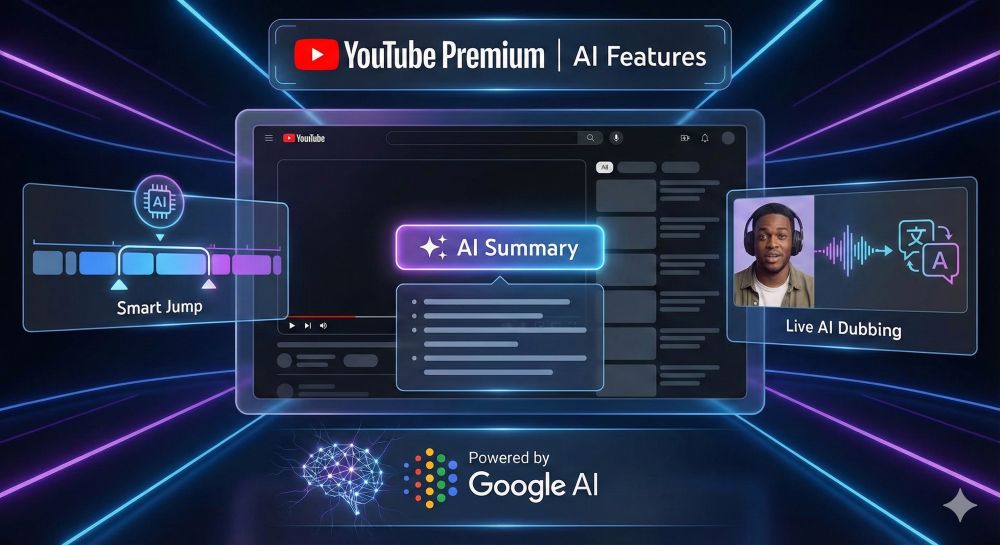
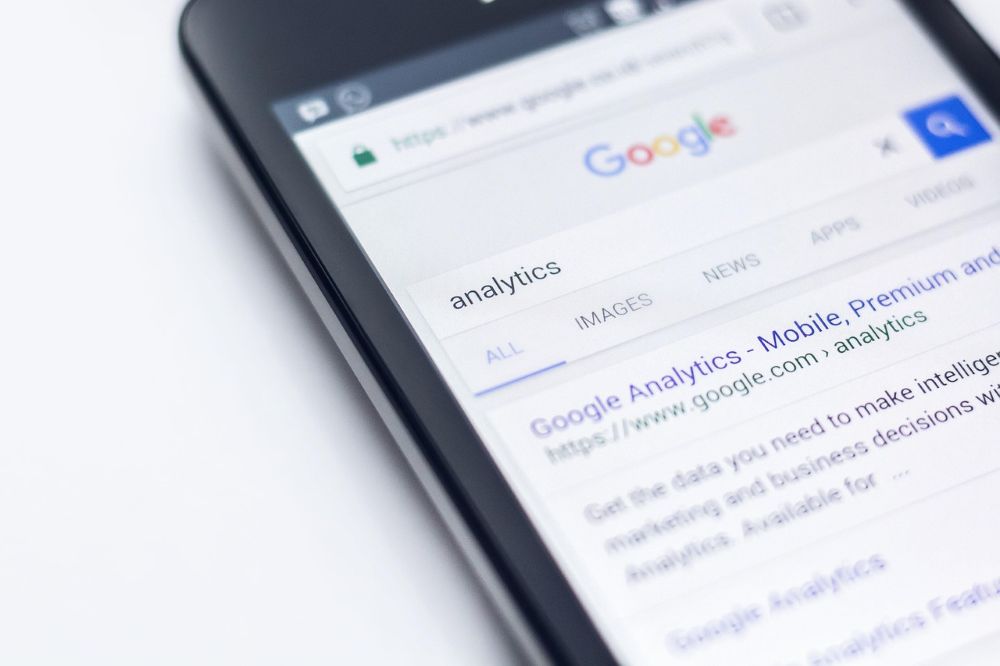
To understand the problem, we need to understand the technology behind it. If you enter a complex question into Google today (as of October 2025), you’ll often see not just a list of links, but a prominently placed box at the very top of the page: the AI Summary.
This summary isn’t simply a copy of a webpage. Instead, it works like this:
- Analyze the search query: Google’s AI understands the intent behind your question.
- Scan and synthesize: The algorithm scans the top-ranking websites on the topic, extracts the most relevant information, and summarizes it into a coherent, direct answer.
- Present the answer: This newly generated answer is presented to the user directly on the search results page, often with a few source links on the side.
Essentially, Google reads the best articles for you and gives you a summary. The user gets their answer without ever having to leave the Google page. And this is precisely where the problem begins.
Part 2: The Core Challenge – Why AI Search Is Dangerous for Creators
The convenience for the user comes at a high price, which content creators primarily pay. The threat can be broken down into four core problems:
1. The Rise of Zero-Click Searches
This is by far the biggest pain point. If the user’s question is fully answered directly in the AI-generated overview, there’s no longer any reason to click on any of the links below. Every search that ends on the Google page is a zero-click search.
The Consequence: A dramatic drop in organic traffic. A website that yesterday ranked number one for an important question and received thousands of visitors per day may now receive only a fraction of that because the AI provides the answer and intercepts the click.
2. The Destruction of the Monetization Model
For most independent publishers and bloggers, traffic is their currency. Without website visitors, the business model collapses.
- Advertising revenue: Fewer visitors mean fewer ad impressions and therefore directly less revenue.
- Affiliate marketing: If no one clicks on an article about “the best coffee machines of 2025,” then no one clicks on the affiliate links to Amazon and other companies. Revenue dries up.
- Selling your own products: Whether ebooks, online courses, or consulting services—without traffic, potential customers won’t even know about the offers.
3. The devaluation of expertise and brand (The “content smoothie” problem)
Google’s AI takes content from multiple sources, throws it into a blender, and serves up a generic “content smoothie.” Crucial elements are lost in the process:
- Authorship and Voice: The author’s unique style, personal experience, and painstakingly acquired expertise are lost in a neutral AI response. Who gets credit for the knowledge?
- Branding and Trust: Users build relationships with brands and people, not with an algorithm. If they no longer visit the original source, this connection is lost. The E-E-A-T principle (Experience, Expertise, Authoritativeness, Trustworthiness), which Google itself preached for years, is being undermined by its own technology.
4. The Fight for the Remaining Crumbs
The few links still displayed in the AI overview or directly below it are now more valuable and contested than ever. This leads to a further centralization of power among already huge, established media brands that Google considers absolutely trustworthy. Smaller niche blogs or independent experts have an even harder time being considered as a source.
Part 3: Strategies in the Age of the Answer Machine – What Can Creators Do Now?
The situation is serious, but not hopeless. However, it requires a radical rethink. Those who continue to answer only simple “What is…” questions will be replaced by AI. The future lies in delivering what AI (currently) cannot.
Go beyond the facts: AI excels at summarizing facts. Focus on content based on unique experiences, in-depth analysis, controversial opinions, and personal case studies. Tell stories that AI cannot invent.
Build a community, not just a website: The most important step is to reduce your reliance on Google. Build direct channels to your audience.
- Email Newsletter: The most direct and valuable line to your readers. Give people a reason to subscribe (exclusive content, discounts, personal insights).
Social Media Groups & Forums: Create a space for exchange where your brand is at the center.
Become a destination brand: Your goal should be for people not to Google “apple pie recipe,” but to go directly to your cooking website because they know it has the best recipes. Build a brand that stands for quality and trust.
- Diversify your platforms: Don’t put all your eggs in one basket.
- YouTube: Is the second largest search engine in the world and offers a much more direct, personal connection.
- Podcasts: An intimate medium for conveying expertise and personality.
- Niche platforms: Depending on the topic, platforms like Pinterest, LinkedIn, or TikTok can also be valuable sources of traffic.
Conclusion: The unfair pact
Google is facing a dilemma. To remain relevant in the competition with other AI tools, it needs to provide fast, direct answers. At the same time, it’s sawing off the branch it’s sitting on: the vast, decentralized ecosystem of content creators that makes the web so rich and diverse.
For us as creators, this means:
The golden age of simple SEO traffic is over. It’s no longer enough to just provide an answer. We have to be the reason someone asks a question in the first place. We have to evolve from mere information providers to trusted advisors, inspiring figures, and indispensable community leaders. The task has become significantly more difficult, but it’s the only way forward.

Beliebte Beiträge

From assistant to agent: Microsoft’s Copilot
Copilot is growing up: Microsoft's AI is no longer an assistant, but a proactive agent. With "Vision," it sees your Windows desktop; in M365, it analyzes data as a "Researcher"; and in GitHub, it autonomously corrects code. The biggest update yet.

Never do the same thing again: How to record a macro in Excel
Tired of repetitive tasks in Excel? Learn how to create your first personal "magic button" with the macro recorder. Automate formatting and save hours – no programming required! Click here for easy instructions.

IMAP vs. Local Folders: The secret to your Outlook structure and why it matters
Do you know the difference between IMAP and local folders in Outlook? Incorrect use can lead to data loss! We'll explain simply what belongs where, how to clean up your mailbox, and how to archive emails securely and for the long term.

Der ultimative Effizienz-Boost: Wie Excel, Word und Outlook für Sie zusammenarbeiten
Schluss mit manuellem Kopieren! Lernen Sie, wie Sie Excel-Listen, Word-Vorlagen & Outlook verbinden, um personalisierte Serien-E-Mails automatisch zu versenden. Sparen Sie Zeit, vermeiden Sie Fehler und steigern Sie Ihre Effizienz. Hier geht's zur einfachen Anleitung!

Microsoft 365 Copilot in practice: Your guide to the new everyday work routine
What can Microsoft 365 Copilot really do? 🤖 We'll show you in a practical way how the AI assistant revolutionizes your daily work in Word, Excel & Teams. From a blank page to a finished presentation in minutes! The ultimate practical guide for the new workday. #Copilot #Microsoft365 #AI

Integrate and use ChatGPT in Excel – is that possible?
ChatGPT is more than just a simple chatbot. Learn how it can revolutionize how you work with Excel by translating formulas, creating VBA macros, and even promising future integration with Office.
Offers 2024: Word & Excel Templates