Nvidia sell-off – Chip restrictions against China


A storm is brewing in the semiconductor market: the shares of Nvidia, the world’s most valuable chip manufacturer, recently experienced after-hours price losses of more than 3 percent. The trigger? Reports of more restrictions that could affect sales of artificial intelligence (AI) chips in China. These potential regulations could have a serious impact on sales in the world’s largest semiconductor market.
China represents an enormously important sales market for Nvidia, from which about a fifth of its turnover comes. But this dynamic could change drastically. New plans out of Washington aim to close loopholes that allow high-performance AI chips to be sold to China.
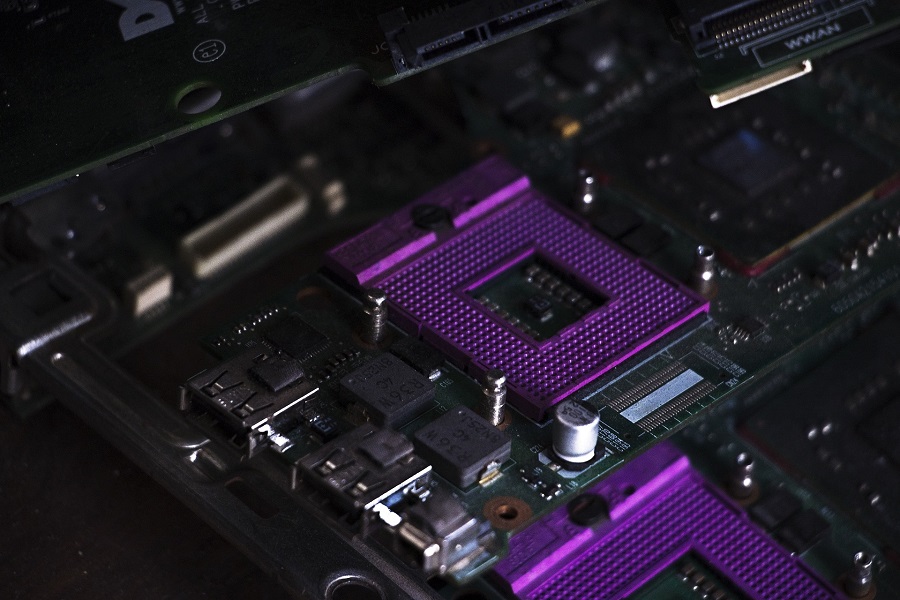
This tense situation forms the latest installment in a complex geopolitical chess game in which the US and China are the key players. The focus is on the Biden government’s efforts to curb China’s technological rise, particularly its advances in artificial intelligence.
As this battle of the giants rages on, companies like Nvidia need to reconsider and adjust their strategy to minimize the potential impact of these policy shifts.
Nvidia sell-off – Chip restrictions against China
A storm is brewing in the semiconductor market: the shares of Nvidia, the world’s most valuable chip manufacturer, recently experienced after-hours price losses of more than 3 percent. The trigger? Reports of more restrictions that could affect sales of artificial intelligence (AI) chips in China. These potential regulations could have a serious impact on sales in the world’s largest semiconductor market.
China represents an enormously important sales market for Nvidia, from which about a fifth of its turnover comes. But this dynamic could change drastically. New plans out of Washington aim to close loopholes that allow high-performance AI chips to be sold to China.
This tense situation forms the latest installment in a complex geopolitical chess game in which the US and China are the key players. The focus is on the Biden government’s efforts to curb China’s technological rise, particularly its advances in artificial intelligence.
As this battle of the giants rages on, companies like Nvidia need to reconsider and adjust their strategy to minimize the potential impact of these policy shifts.
A hard blow for the giant of the semiconductor industry
A hard blow for the giant of the semiconductor industry
Nvidia, the world’s most valuable chipmaker, fell more than 3 percent in after-hours trading after reports emerged of additional restrictions on AI chip sales in China. These potential restrictions could have a significant impact on sales in the world’s largest semiconductor market.
China is a significant market for Nvidia, accounting for about a fifth of its revenue. Washington’s new policy aimed at closing loopholes that allow the sale of high-performance AI chips could drastically change this situation.
The new wave of restrictions is another reflection of the Biden administration’s efforts to curb China’s technological advance. The concerns of the United States are directed in particular at Beijing’s technological ambitions in the area of artificial intelligence, which includes military and scientific applications and could upset the geopolitical balance.

But despite the current challenges, Nvidia and its rival AMD remain at the forefront of developing chips needed for generative AI models are essential. From large companies like Microsoft and Baidu to smaller developers like OpenAI, their products are in demand and continue to drive AI development.
- The new regulations could also affect cloud services used by Chinese AI companies for modeling. Such a restriction could create further difficulties for giants like Amazon.com and Microsoft.
However, it remains to be seen how strong the long-term effects of these regulations will actually be. Robert Lea, analyst at Bloomberg Intelligence, cautions: “Chinese AI firms may also be able to source specialized AI chips from third countries. So I think it will be difficult for the US to enforce the regulations.”
Nvidia, the world’s most valuable chipmaker, fell more than 3 percent in after-hours trading after reports emerged of additional restrictions on AI chip sales in China. These potential restrictions could have a significant impact on sales in the world’s largest semiconductor market.
China is a significant market for Nvidia, accounting for about a fifth of its revenue. Washington’s new policy aimed at closing loopholes that allow the sale of high-performance AI chips could drastically change this situation.
The new wave of restrictions is another reflection of the Biden administration’s efforts to curb China’s technological advance. The concerns of the United States are directed in particular at Beijing’s technological ambitions in the area of artificial intelligence, which includes military and scientific applications and could upset the geopolitical balance.
But despite the current challenges, Nvidia and its rival AMD remain at the forefront of developing chips needed for generative AI models are essential. From large companies like Microsoft and Baidu to smaller developers like OpenAI, their products are in demand and continue to drive AI development.
- The new regulations could also affect cloud services used by Chinese AI companies for modeling. Such a restriction could create further difficulties for giants like Amazon.com and Microsoft.
However, it remains to be seen how strong the long-term effects of these regulations will actually be. Robert Lea, analyst at Bloomberg Intelligence, cautions: “Chinese AI firms may also be able to source specialized AI chips from third countries. So I think it will be difficult for the US to enforce the regulations.”
Popular Posts:

Ad-free home network: Install Pi-hole on Windows
Say goodbye to ads on smart TVs and in apps: Pi-hole software turns your Windows laptop into a network filter. This article explains step-by-step how to install it via Docker and configure the necessary DNS settings in your FRITZ!Box.

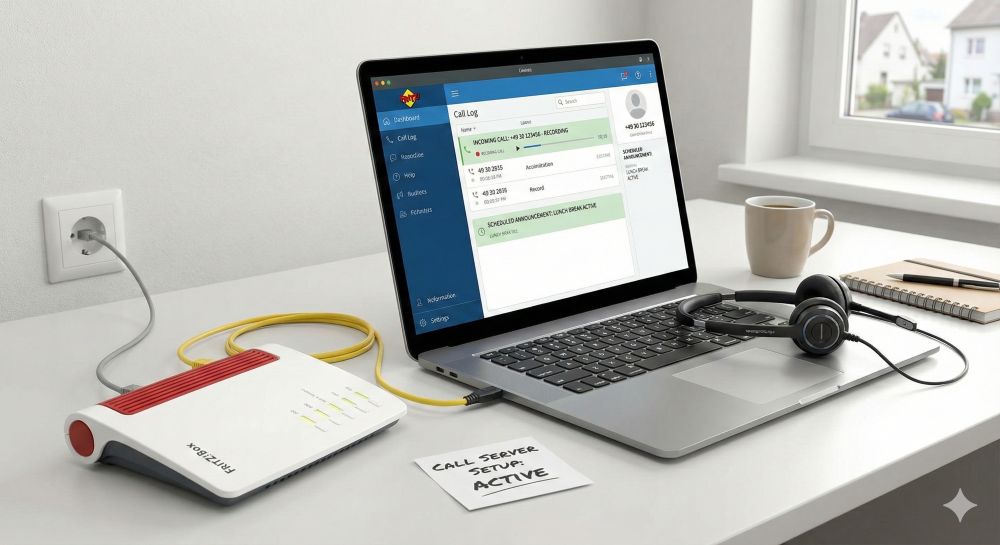
How to tune your FRITZ!Box into a professional call server
A professional telephone system can be built using a FRITZ!Box and a laptop. This article shows step by step how to use the free software "Phoner" to schedule announcements and record calls – including important legal information (§ 201 StGB).

Why to-do lists are a waste of time
Do you feel unproductive at the end of the day, even though you've worked hard? Your to-do list is to blame. It tempts you to focus on easy tasks and ignores your limited time. This article explains why lists are "self-deception" and why professionals use a calendar instead.

Smartphone Wi-Fi security: Public hotspots vs. home network
Is smartphone Wi-Fi a security risk? This article analyzes in detail threats such as evil twin attacks and explains protective measures for when you're on the go. We also clarify why home Wi-Fi is usually secure and how you can effectively separate your smart home from sensitive data using a guest network.

Warum dein Excel-Kurs Zeitverschwendung ist – was du wirklich lernen solltest!
Hand aufs Herz: Wann hast du zuletzt eine komplexe Excel-Formel ohne Googeln getippt? Eben. KI schreibt heute den Code für dich. Erfahre, warum klassische Excel-Trainings veraltet sind und welche 3 modernen Skills deinen Marktwert im Büro jetzt massiv steigern.

Cybersicherheit: Die 3 größten Fehler, die 90% aller Mitarbeiter machen
Hacker brauchen keine Codes, sie brauchen nur einen unaufmerksamen Mitarbeiter. Von Passwort-Recycling bis zum gefährlichen Klick: Wir zeigen die drei häufigsten Fehler im Büroalltag und geben praktische Tipps, wie Sie zur menschlichen Firewall werden.
Offers 2024: Word & Excel Templates






Popular Posts:
Ad-free home network: Install Pi-hole on Windows
Say goodbye to ads on smart TVs and in apps: Pi-hole software turns your Windows laptop into a network filter. This article explains step-by-step how to install it via Docker and configure the necessary DNS settings in your FRITZ!Box.
How to tune your FRITZ!Box into a professional call server
A professional telephone system can be built using a FRITZ!Box and a laptop. This article shows step by step how to use the free software "Phoner" to schedule announcements and record calls – including important legal information (§ 201 StGB).
Why to-do lists are a waste of time
Do you feel unproductive at the end of the day, even though you've worked hard? Your to-do list is to blame. It tempts you to focus on easy tasks and ignores your limited time. This article explains why lists are "self-deception" and why professionals use a calendar instead.
Smartphone Wi-Fi security: Public hotspots vs. home network
Is smartphone Wi-Fi a security risk? This article analyzes in detail threats such as evil twin attacks and explains protective measures for when you're on the go. We also clarify why home Wi-Fi is usually secure and how you can effectively separate your smart home from sensitive data using a guest network.
Warum dein Excel-Kurs Zeitverschwendung ist – was du wirklich lernen solltest!
Hand aufs Herz: Wann hast du zuletzt eine komplexe Excel-Formel ohne Googeln getippt? Eben. KI schreibt heute den Code für dich. Erfahre, warum klassische Excel-Trainings veraltet sind und welche 3 modernen Skills deinen Marktwert im Büro jetzt massiv steigern.
Cybersicherheit: Die 3 größten Fehler, die 90% aller Mitarbeiter machen
Hacker brauchen keine Codes, sie brauchen nur einen unaufmerksamen Mitarbeiter. Von Passwort-Recycling bis zum gefährlichen Klick: Wir zeigen die drei häufigsten Fehler im Büroalltag und geben praktische Tipps, wie Sie zur menschlichen Firewall werden.
Offers 2024: Word & Excel Templates