New iPhone batteries – more power and shorter charging times


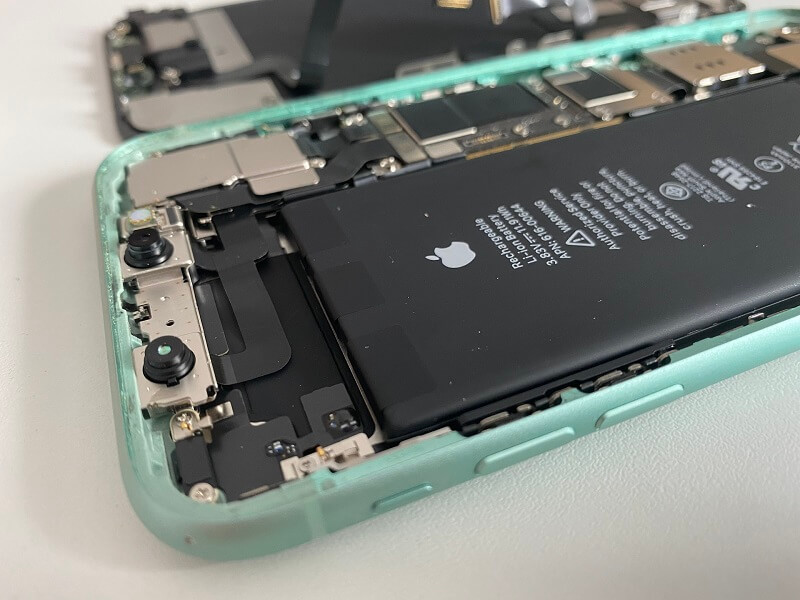
The technology behind the batteries in our smartphones is a key factor in performance and user experience. Apple and Samsung, two industry giants, are said to be working on groundbreaking battery concepts for their upcoming top smartphones. These new batteries could bring a significant improvement in terms of performance, cooling and charging speed.
New iPhone batteries – more power and shorter charging times
The technology behind the batteries in our smartphones is a key factor in performance and user experience. Apple and Samsung, two industry giants, are said to be working on groundbreaking battery concepts for their upcoming top smartphones. These new batteries could bring a significant improvement in terms of performance, cooling and charging speed.
The evolution of iPhone batteries
The evolution of iPhone batteries
Since the introduction of the first iPhone in 2007, Apple has made constant improvements to battery technology. The original iPhone offered a battery capacity of 1,400 mAh, which allowed up to 16 hours of music playback and 5 hours of calls, video watching and surfing. Today, the iPhone 14 Pro Max has a 4,323 mAh battery that allows for up to 95 hours of music and 29 hours of video. These improvements are partly due to more efficient chips and OS optimizations, but also to the increased battery size.
Battery capacity has steadily increased over the years to keep up with user demands and the increasingly powerful features of iPhones. With each new iPhone generation, Apple has advanced battery technology to enable longer battery life. This is especially important as smartphone usage continues to increase and users expect more from their devices.
The upcoming iPhone 15 is expected to take another step in battery technology, with 10 to 18 percent more capacity depending on the model. This would be a significant advance and would further improve battery life and user experience. It’s clear that battery technology remains a key focus in smartphone development and we’re excited to see what the future holds in this space.
Stacked cells and increased capacity
The next generation of iPhone batteries could represent a significant advance in battery technology. Apple plans to use “stacked” cells for the first time, a technology known from the automotive sector and 3D processors for desktop PCs. With this production method, the elements are connected to one another in a kind of “corrugated iron construction”. This makes it possible to fit more cells in the same space, resulting in higher capacities.
- Stacked cell technology could mean a significant increase in battery capacity for the iPhone 15. Depending on the model, an increase in capacity of 10 to 18 percent is expected. This could lead to a longer battery life, which would mean a significant improvement in the user experience for users.
- Another benefit of stacked cells is improved heat dissipation. Due to the special arrangement of the cells, heat can be dissipated more efficiently. This is an important factor in battery life. Overheating can significantly reduce the life of a battery, so effective heat dissipation is critical to battery longevity.
Samsung, another big player in the smartphone industry, is also planning to follow the same path. Samsung is expected to introduce stacked battery technology in the Galaxy S24+ and S24 Ultra models. This suggests that stacked cell technology may be the next big innovation in smartphone battery technology.
Faster loading speeds
Another advantage of the new battery technology could be a faster charging speed. Although iPhones aren’t exactly considered fast-charging artists at the moment, the next generation of iPhones could charge at twice the speed. Apple is reportedly testing 40 watts per cord and 20 watts per Magsafe, compared to the current 29 watts per cord and 15 watts per Magsafe on the iPhone 14 Pro Max.
This is of course even further behind models from Xiaomi that charge with 90 watts – 120 watts. This means that the device is charged from almost 0% to 100% in less than 30 minutes. This increased charging speed at Apple would greatly improve the user experience by significantly reducing the time users have to spend charging their devices. Especially people who use their device frequently and for a long time on the go and don’t always have access to a socket, and don’t want to have to lug around an additional power bank.
These improvements have not yet been confirmed and it remains to be seen whether they can be implemented in practice as announced. Still, the direction Apple is taking with its battery technology shows a clear commitment to improving the performance and efficiency of its devices. It is an exciting field that we will continue to monitor closely.
Since the introduction of the first iPhone in 2007, Apple has made constant improvements to battery technology. The original iPhone offered a battery capacity of 1,400 mAh, which allowed up to 16 hours of music playback and 5 hours of calls, video watching and surfing. Today, the iPhone 14 Pro Max has a 4,323 mAh battery that allows for up to 95 hours of music and 29 hours of video. These improvements are partly due to more efficient chips and OS optimizations, but also to the increased battery size.
Battery capacity has steadily increased over the years to keep up with user demands and the increasingly powerful features of iPhones. With each new iPhone generation, Apple has advanced battery technology to enable longer battery life. This is especially important as smartphone usage continues to increase and users expect more from their devices.
The upcoming iPhone 15 is expected to take another step in battery technology, with 10 to 18 percent more capacity depending on the model. This would be a significant advance and would further improve battery life and user experience. It’s clear that battery technology remains a key focus in smartphone development and we’re excited to see what the future holds in this space.
Stacked cells and increased capacity
The next generation of iPhone batteries could represent a significant advance in battery technology. Apple plans to use “stacked” cells for the first time, a technology known from the automotive sector and 3D processors for desktop PCs. With this production method, the elements are connected to one another in a kind of “corrugated iron construction”. This makes it possible to fit more cells in the same space, resulting in higher capacities.
- Stacked cell technology could mean a significant increase in battery capacity for the iPhone 15. Depending on the model, an increase in capacity of 10 to 18 percent is expected. This could lead to a longer battery life, which would mean a significant improvement in the user experience for users.
- Another benefit of stacked cells is improved heat dissipation. Due to the special arrangement of the cells, heat can be dissipated more efficiently. This is an important factor in battery life. Overheating can significantly reduce the life of a battery, so effective heat dissipation is critical to battery longevity.
Samsung, another big player in the smartphone industry, is also planning to follow the same path. Samsung is expected to introduce stacked battery technology in the Galaxy S24+ and S24 Ultra models. This suggests that stacked cell technology may be the next big innovation in smartphone battery technology.
Faster loading speeds
Another advantage of the new battery technology could be a faster charging speed. Although iPhones aren’t exactly considered fast-charging artists at the moment, the next generation of iPhones could charge at twice the speed. Apple is reportedly testing 40 watts per cord and 20 watts per Magsafe, compared to the current 29 watts per cord and 15 watts per Magsafe on the iPhone 14 Pro Max.
This is of course even further behind models from Xiaomi that charge with 90 watts – 120 watts. This means that the device is charged from almost 0% to 100% in less than 30 minutes. This increased charging speed at Apple would greatly improve the user experience by significantly reducing the time users have to spend charging their devices. Especially people who use their device frequently and for a long time on the go and don’t always have access to a socket, and don’t want to have to lug around an additional power bank.
These improvements have not yet been confirmed and it remains to be seen whether they can be implemented in practice as announced. Still, the direction Apple is taking with its battery technology shows a clear commitment to improving the performance and efficiency of its devices. It is an exciting field that we will continue to monitor closely.

Popular Posts

When your own voice becomes a weapon: The rise of AI-powered audio fraud
Artificial intelligence is making the classic grandparent scam more dangerous than ever. Criminals need only a few seconds of audio material from social media to perfectly clone voices. This article examines the technology behind "deepfake calls," presents real-life case studies, and explains effective protective measures such as the family safeword.

Smartphone Wi-Fi security: Public hotspots vs. home network
Is smartphone Wi-Fi a security risk? This article analyzes in detail threats such as evil twin attacks and explains protective measures for when you're on the go. We also clarify why home Wi-Fi is usually secure and how you can effectively separate your smart home from sensitive data using a guest network.

AI labeling on social media: Obligations & help with errors
No more deception: Instagram, TikTok, and YouTube are requiring users to label AI-generated content. We explain the technology, the risks for creators, and what to do if the algorithm mistakenly identifies your real photos as AI ("false positives").

Warum dein Excel-Kurs Zeitverschwendung ist – was du wirklich lernen solltest!
Hand aufs Herz: Wann hast du zuletzt eine komplexe Excel-Formel ohne Googeln getippt? Eben. KI schreibt heute den Code für dich. Erfahre, warum klassische Excel-Trainings veraltet sind und welche 3 modernen Skills deinen Marktwert im Büro jetzt massiv steigern.

Password madness: Why passkeys are the future
The era of passwords is ending. Passkeys offer protection against phishing and make logging in as easy as glancing at your phone. But what happens when you change phones? This article explains the technology and provides important tips for securely transferring your digital keys.

Windows 10: One month after the “End of Life” – assessment and options for action
On October 14, 2025, support for Windows 10 ended. Millions of PCs are now unprotected. We examine the current security situation, the new ESU subscription model, and show solutions for older hardware – from upgrade tricks to secure Linux alternatives.
Offers 2024: Word & Excel Templates









Popular Posts
When your own voice becomes a weapon: The rise of AI-powered audio fraud
Artificial intelligence is making the classic grandparent scam more dangerous than ever. Criminals need only a few seconds of audio material from social media to perfectly clone voices. This article examines the technology behind "deepfake calls," presents real-life case studies, and explains effective protective measures such as the family safeword.
Smartphone Wi-Fi security: Public hotspots vs. home network
Is smartphone Wi-Fi a security risk? This article analyzes in detail threats such as evil twin attacks and explains protective measures for when you're on the go. We also clarify why home Wi-Fi is usually secure and how you can effectively separate your smart home from sensitive data using a guest network.
AI labeling on social media: Obligations & help with errors
No more deception: Instagram, TikTok, and YouTube are requiring users to label AI-generated content. We explain the technology, the risks for creators, and what to do if the algorithm mistakenly identifies your real photos as AI ("false positives").
Warum dein Excel-Kurs Zeitverschwendung ist – was du wirklich lernen solltest!
Hand aufs Herz: Wann hast du zuletzt eine komplexe Excel-Formel ohne Googeln getippt? Eben. KI schreibt heute den Code für dich. Erfahre, warum klassische Excel-Trainings veraltet sind und welche 3 modernen Skills deinen Marktwert im Büro jetzt massiv steigern.
Password madness: Why passkeys are the future
The era of passwords is ending. Passkeys offer protection against phishing and make logging in as easy as glancing at your phone. But what happens when you change phones? This article explains the technology and provides important tips for securely transferring your digital keys.
Windows 10: One month after the “End of Life” – assessment and options for action
On October 14, 2025, support for Windows 10 ended. Millions of PCs are now unprotected. We examine the current security situation, the new ESU subscription model, and show solutions for older hardware – from upgrade tricks to secure Linux alternatives.
Offers 2024: Word & Excel Templates