Immediate transfer free of charge within the EU


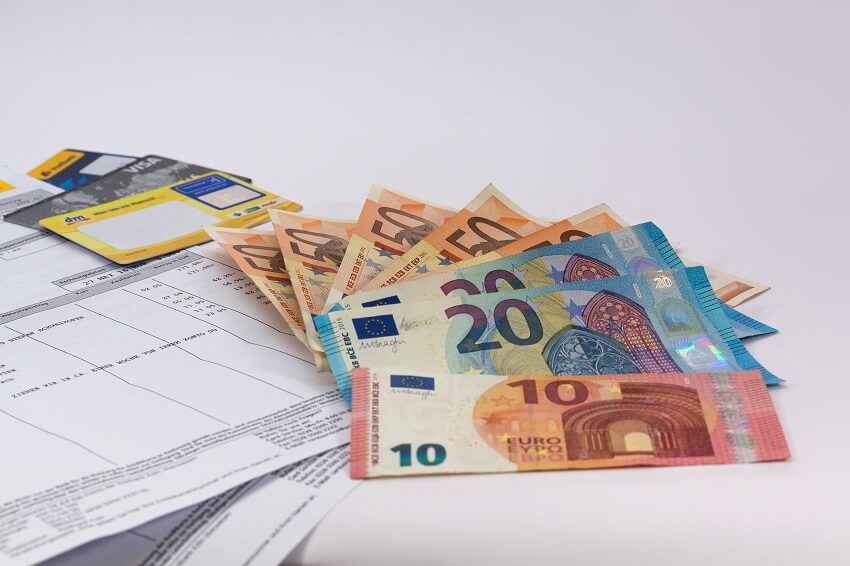
In today’s digitized world, the need for fast, efficient and cost-effective payment methods is becoming increasingly urgent. The European Union (EU) has recognized this and has taken an important step towards full digital financial integration with instant transfers without additional costs. As part of its efforts to create a single digital market, the EU has introduced a series of measures to harmonize payment services across the 27 member states and modernize the 2012 Single Euro Payments Area (SEPA) Regulation. One of the most important initiatives in this regard is the introduction of instant transfers without additional costs.
Immediate transfer free of charge within the EU
In today’s digitized world, the need for fast, efficient and cost-effective payment methods is becoming increasingly urgent. The European Union (EU) has recognized this and has taken an important step towards full digital financial integration with instant transfers without additional costs. As part of its efforts to create a single digital market, the EU has introduced a series of measures to harmonize payment services across the 27 member states and modernize the 2012 Single Euro Payments Area (SEPA) Regulation. One of the most important initiatives in this regard is the introduction of instant transfers without additional costs.
A step towards full digital financial integration
A step towards full digital financial integration
Traditional bank transfers have some limitations. They are normally only processed during normal business hours and do not reach the recipient until the next working day. This can sometimes lead to delays of up to three days, especially if there is a weekend in between. On the other hand, there are the so-called instant payments or instant transfers, which make it possible to transfer money in just a few seconds. However, there are still significant differences between EU Member States regarding the availability of these instant payments and the associated costs.
Although traditional transfers are still widespread and instant payments have so far only been used for 11 percent of all transfers in euros, there is an upward trend. Valdis Dombrovskis, Vice-President for Economic Orientation for the Good of People, emphasizes that instant payments will become the norm in many countries in the future.
Traditional bank transfers have some limitations. They are normally only processed during normal business hours and do not reach the recipient until the next working day. This can sometimes lead to delays of up to three days, especially if there is a weekend in between. On the other hand, there are the so-called instant payments or instant transfers, which make it possible to transfer money in just a few seconds. However, there are still significant differences between EU Member States regarding the availability of these instant payments and the associated costs.
Although traditional transfers are still widespread and instant payments have so far only been used for 11 percent of all transfers in euros, there is an upward trend. Valdis Dombrovskis, Vice-President for Economic Orientation for the Good of People, emphasizes that instant payments will become the norm in many countries in the future.
The role of the European Central Bank (ECB)
The role of the European Central Bank (ECB)
The European Central Bank (ECB) plays a crucial role in promoting and implementing instant payments, also known as instant transfers, within the Eurozone. Her commitment is particularly evident in the development and implementation of the TARGET Instant Payment Settlement (TIPS) system.
The European Central Bank (ECB) plays a crucial role in promoting and implementing instant payments, also known as instant transfers, within the Eurozone. Her commitment is particularly evident in the development and implementation of the TARGET Instant Payment Settlement (TIPS) system.
Benefits and Effects
Benefits and Effects
At first glance, the introduction of instant transfers without additional costs in the EU brings a multitude of advantages for both consumers and companies.
At first glance, the introduction of instant transfers without additional costs in the EU brings a multitude of advantages for both consumers and companies.
Challenges and Future prospects
Challenges and Future prospects
Although there are undoubtedly many advantages to introducing instant transfers without additional costs in the EU, there are also challenges. One of them is the need to ensure the security and protection of consumers in these transactions. The EU and its Member States must continue to invest in improving security protocols and standards to fight fraud and cybercrime.
Nevertheless, the future of instant transfers in the EU is promising. With the ongoing digitalization and the growth of e-commerce, these types of payments are likely to become more and more popular. With the steady support of the EU and the ECB, this could be an important step towards full digital financial integration in Europe.
Tip: In the context of this article, also read: Digital Euro – Digital ID and wallet mandatory
Although there are undoubtedly many advantages to introducing instant transfers without additional costs in the EU, there are also challenges. One of them is the need to ensure the security and protection of consumers in these transactions. The EU and its Member States must continue to invest in improving security protocols and standards to fight fraud and cybercrime.
Nevertheless, the future of instant transfers in the EU is promising. With the ongoing digitalization and the growth of e-commerce, these types of payments are likely to become more and more popular. With the steady support of the EU and the ECB, this could be an important step towards full digital financial integration in Europe.
Tip: In the context of this article, also read: Digital Euro – Digital ID and wallet mandatory
Popular Posts:

How AI fuels cyberattacks – and how it protects us from them
Cybercriminals are using AI for deepfakes and automated attacks. Defenses are also relying on AI: through behavioral analysis (UEBA) and automated responses (SOAR). Learn how this arms race works and how modern security strategies can protect your business.

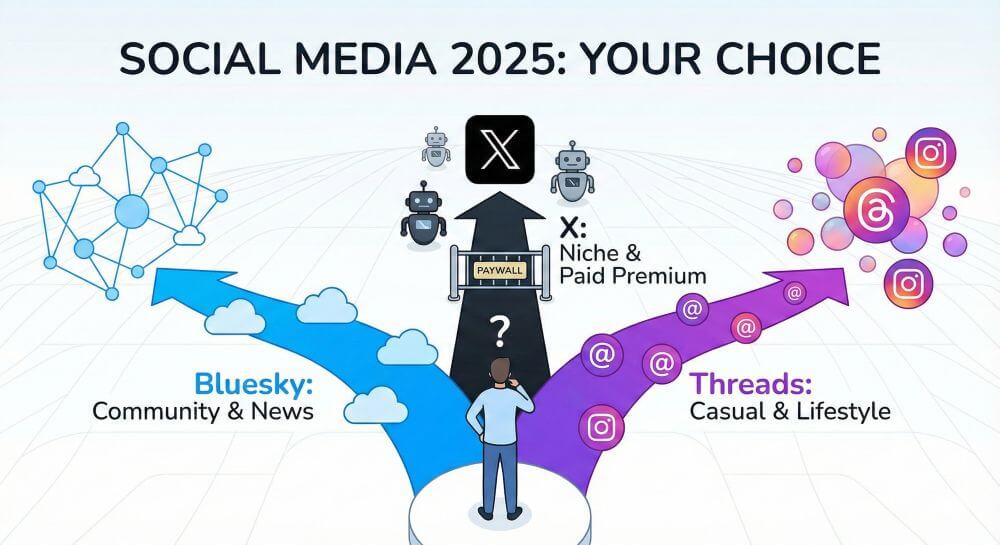
Information overload: Protection & tips against digital stress
Constantly online, overwhelmed by news, emails & social media? Digital information overload leads to stress and concentration problems. Learn the best strategies and practical tips to effectively protect yourself, manage the chaos, and regain your focus.
Put an end to password chaos: Why a password manager is important
Passwords are constantly being stolen through data leaks. A password manager is your digital vault. It creates and stores strong, unique passwords for every service. This effectively protects you against identity theft through "credential stuffing".

Stop procrastinating: How distraction blockers can help you regain focus
Constant digital distractions kill your productivity. Distraction blockers like Forest or Freedom help you regain focus. They specifically block distractions on your PC and mobile phone and use techniques like the Pomodoro Technique. This helps you stop procrastinating.
Wer ist wo? Microsoft Teams schafft Klarheit im Hybrid-Büro
Die neue Arbeitsstandort-Funktion in Microsoft Teams zeigt, wer im Büro oder remote arbeitet. Verbessern Sie Ihre Meeting-Planung in Outlook und die Team-Koordination. Wir erklären die Vorteile, die Admin-Steuerung und die tiefe Anbindung an Microsoft Viva.

Excel Tutorial: How to quickly and safely remove duplicates
Duplicate entries in your Excel lists? This distorts your data. Our tutorial shows you, using a practical example, how to clean up your data in seconds with the "Remove Duplicates" function – whether you want to delete identical rows or just values in a column.
Offers 2024: Word & Excel Templates
Popular Posts:
How AI fuels cyberattacks – and how it protects us from them
Cybercriminals are using AI for deepfakes and automated attacks. Defenses are also relying on AI: through behavioral analysis (UEBA) and automated responses (SOAR). Learn how this arms race works and how modern security strategies can protect your business.
Information overload: Protection & tips against digital stress
Constantly online, overwhelmed by news, emails & social media? Digital information overload leads to stress and concentration problems. Learn the best strategies and practical tips to effectively protect yourself, manage the chaos, and regain your focus.
Put an end to password chaos: Why a password manager is important
Passwords are constantly being stolen through data leaks. A password manager is your digital vault. It creates and stores strong, unique passwords for every service. This effectively protects you against identity theft through "credential stuffing".
Stop procrastinating: How distraction blockers can help you regain focus
Constant digital distractions kill your productivity. Distraction blockers like Forest or Freedom help you regain focus. They specifically block distractions on your PC and mobile phone and use techniques like the Pomodoro Technique. This helps you stop procrastinating.
Wer ist wo? Microsoft Teams schafft Klarheit im Hybrid-Büro
Die neue Arbeitsstandort-Funktion in Microsoft Teams zeigt, wer im Büro oder remote arbeitet. Verbessern Sie Ihre Meeting-Planung in Outlook und die Team-Koordination. Wir erklären die Vorteile, die Admin-Steuerung und die tiefe Anbindung an Microsoft Viva.
Excel Tutorial: How to quickly and safely remove duplicates
Duplicate entries in your Excel lists? This distorts your data. Our tutorial shows you, using a practical example, how to clean up your data in seconds with the "Remove Duplicates" function – whether you want to delete identical rows or just values in a column.
Offers 2024: Word & Excel Templates