Abolition of Maestro cards – what does that mean


In the constantly changing world of Cashless payments is facing a significant change: the end of Maestro cards from July 1, 2023. In this article we will go into the differences between EC, Giro and Maestro and shed light on the effects of this change. We discuss what this change means for your future transactions, both domestic and international, and the options available to you in the post-Maestro era.
Abolition of Maestro cards – what does that mean
In the constantly changing world of Cashless payments is facing a significant change: the end of Maestro cards from July 1, 2023. In this article we will go into the differences between EC, Giro and Maestro and shed light on the effects of this change. We discuss what this change means for your future transactions, both domestic and international, and the options available to you in the post-Maestro era.
Do you know the difference: EC, Giro and Maestro?
Do you know the difference: EC, Giro and Maestro?
The original EC card has not existed since 2007. The name originally stood for “Eurocheque-Card” (until 2002), with which bank customers could withdraw money throughout Europe. In 2002, the abbreviation EC was adapted by the German banking industry to symbolize “Electronic Cash”. Although no changes were noticeable in Germany when shopping or withdrawing money, a popular function of the old EC card has been replaced by the new German Electronic Cash: the ability to withdraw money abroad, for example on vacation in Italy.
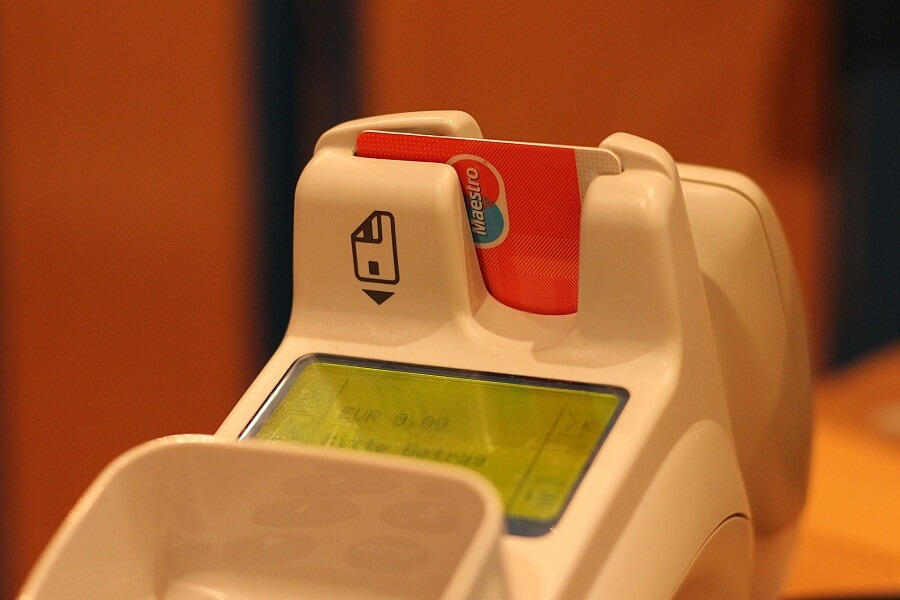
International systems such as Mastercard’s “Maestro” system replaced Europe-wide solutions to enable cashless payments worldwide. Many German bank cards were also provided with the red and blue “Maestro” logo. And despite this system change in the background, the bank customer often did not notice any change.
The official renaming of the EC card to “Girocard” in 2007 did not catch on everywhere in everyday language. According to the Bundesbank, the Girocard is the second most common form of payment in Germany after cash.
The original EC card has not existed since 2007. The name originally stood for “Eurocheque-Card” (until 2002), with which bank customers could withdraw money throughout Europe. In 2002, the abbreviation EC was adapted by the German banking industry to symbolize “Electronic Cash”. Although no changes were noticeable in Germany when shopping or withdrawing money, a popular function of the old EC card has been replaced by the new German Electronic Cash: the ability to withdraw money abroad, for example on vacation in Italy.
International systems such as Mastercard’s “Maestro” system replaced Europe-wide solutions to enable cashless payments worldwide. Many German bank cards were also provided with the red and blue “Maestro” logo. And despite this system change in the background, the bank customer often did not notice any change.
The official renaming of the EC card to “Girocard” in 2007 did not catch on everywhere in everyday language. According to the Bundesbank, the Girocard is the second most common form of payment in Germany after cash.
Why there will be no more Maestro cards
Why there will be no more Maestro cards
Mastercard, the company behind the Maestro system, has decided to phase out Maestro from July 1st. The US payment service provider wants to standardize its international business. In addition, the function is not sufficiently suitable for online trading and is therefore outdated, according to the company.
However, the consumer advice center suspects that Mastercard wants to achieve a larger share of online retail sales with this step. When paying with a Mastercard card, there are fees for the company.

Alternatives to Maestro for cashless payments abroad
Girocards without a Maestro function can be used only in Germany. Banks are now turning to other systems to facilitate payments abroad. Some have already made the switch. “Your bank must tell you when you can no longer use your Maestro card“, according to the consumer advice centre.
- V-Pay instead of Maestro: V-Pay, a product of the US company Visa, offers a similar function to Maestro. According to the consumer center, however, V-Pay is mainly aimed at the European market, while Maestro could be used worldwide. Therefore, Maestro was used more often as V-Pay. Some banks have already switched to V-Pay. Visa has previously stated that V-Pay will continue to be available.
- Two cards in one: With co-badging (payment instrument to which -usually one payment card- more than one payment brand is assigned), banks can use a debit card from Mastercard or Integrate Visa on their customers’ Girocards. In contrast to credit cards, debit card transactions are debited directly from the associated bank account. Girocards are therefore national debit cards, while Mastercard and Visa debit cards can be used worldwide.
- Abolition of the Girocard: According to the consumer advice center, some banks could abolish the Girocard entirely and only use the international debit card from Mastercard or Visa. In theory, these could also be used in retail, but so far not all stores have accepted these cards, the consumer advice center warns. “Merchants could also face higher costs as there are fees to the card company.” These fees are higher than with Girocards and could result in higher prices.
As is already the case with some accounts, banks could introduce a two-card system – with a Girocard for domestic payments and a debit or Credit card for use abroad.
Tip: Also read our Article about the digital euro
Mastercard, the company behind the Maestro system, has decided to phase out Maestro from July 1st. The US payment service provider wants to standardize its international business. In addition, the function is not sufficiently suitable for online trading and is therefore outdated, according to the company.
However, the consumer advice center suspects that Mastercard wants to achieve a larger share of online retail sales with this step. When paying with a Mastercard card, there are fees for the company.
Alternatives to Maestro for cashless payments abroad
Girocards without a Maestro function can be used only in Germany. Banks are now turning to other systems to facilitate payments abroad. Some have already made the switch. “Your bank must tell you when you can no longer use your Maestro card“, according to the consumer advice centre.
- V-Pay instead of Maestro: V-Pay, a product of the US company Visa, offers a similar function to Maestro. According to the consumer center, however, V-Pay is mainly aimed at the European market, while Maestro could be used worldwide. Therefore, Maestro was used more often as V-Pay. Some banks have already switched to V-Pay. Visa has previously stated that V-Pay will continue to be available.
- Two cards in one: With co-badging (payment instrument to which -usually one payment card- more than one payment brand is assigned), banks can use a debit card from Mastercard or Integrate Visa on their customers’ Girocards. In contrast to credit cards, debit card transactions are debited directly from the associated bank account. Girocards are therefore national debit cards, while Mastercard and Visa debit cards can be used worldwide.
- Abolition of the Girocard: According to the consumer advice center, some banks could abolish the Girocard entirely and only use the international debit card from Mastercard or Visa. In theory, these could also be used in retail, but so far not all stores have accepted these cards, the consumer advice center warns. “Merchants could also face higher costs as there are fees to the card company.” These fees are higher than with Girocards and could result in higher prices.
As is already the case with some accounts, banks could introduce a two-card system – with a Girocard for domestic payments and a debit or Credit card for use abroad.
Tip: Also read our Article about the digital euro

Beliebte Beiträge:

So sieht das wirklich perfekte Homeoffice-Setup für 2026 aus
Ihr Homeoffice ist veraltet? Steigern Sie 2026 Produktivität & Gesundheit. Unser Guide zeigt das perfekte Setup: von ergonomischen Stühlen und 4K-Webcams bis zu Mesh-WLAN und Kabelmanagement. So investieren Sie in Ihre Karriere.
Internet, Telefon & TV: Die besten Komplettpakete
Internet, TV & Telefon aus einer Hand? Wir vergleichen die Komplettpakete von Telekom, Vodafone, O2 & 1&1. Wer punktet bei Speed, TV-Komfort (MagentaTV vs. GigaTV) und Preis? So finden Sie das beste Triple-Play-Angebot für Ihre Adresse.

5 Anzeichen, dass dein Chef dich im Homeoffice digital überwacht
Nur weil du im Homeoffice bist, heißt das nicht, dass dir niemand zusieht. "Bossware" ist auf dem Vormarsch. Wir zeigen 5 subtile Anzeichen für digitale Überwachung – von "Teams-Status"-Kult bis zu verdächtigen IT-Tools. So erkennst du die Warnsignale und schützt deine Karriere.

Schluss mit dem Tool-Chaos: 5 Apps, die Euer Office wirklich produktiver machen
Schluss mit digitaler Reibung: Diese 5 Apps machen Ihr Büro wirklich produktiver. Entdecken Sie, wie Asana, Loom, Notion, Zapier und Slack die Effizienz steigern, Meetings reduzieren und Ihr Team smarter vernetzen – wenn man sie richtig einsetzt.

AI in everyday office life: Your new invisible colleague
AI won't replace you – but those who use it will have a competitive edge. Make AI your co-pilot in the office! We'll show you four concrete hacks for faster emails, better meeting notes, and solved Excel problems. Get started today, no IT degree required.

Fünf vor Zwölf: Wie Sie erkennen, dass Sie kurz vor dem Burnout stehen
Erschöpfung ist normal, doch wenn das Wochenende keine Erholung mehr bringt und Zynismus die Motivation ersetzt, stehen Sie kurz vor dem Burnout. Erfahren Sie, welche 7 Warnsignale Sie niemals ignorieren dürfen und warum es jetzt lebenswichtig ist, die Notbremse zu ziehen
Offers 2024: Word & Excel Templates

Beliebte Beiträge:
So sieht das wirklich perfekte Homeoffice-Setup für 2026 aus
Ihr Homeoffice ist veraltet? Steigern Sie 2026 Produktivität & Gesundheit. Unser Guide zeigt das perfekte Setup: von ergonomischen Stühlen und 4K-Webcams bis zu Mesh-WLAN und Kabelmanagement. So investieren Sie in Ihre Karriere.
Internet, Telefon & TV: Die besten Komplettpakete
Internet, TV & Telefon aus einer Hand? Wir vergleichen die Komplettpakete von Telekom, Vodafone, O2 & 1&1. Wer punktet bei Speed, TV-Komfort (MagentaTV vs. GigaTV) und Preis? So finden Sie das beste Triple-Play-Angebot für Ihre Adresse.
5 Anzeichen, dass dein Chef dich im Homeoffice digital überwacht
Nur weil du im Homeoffice bist, heißt das nicht, dass dir niemand zusieht. "Bossware" ist auf dem Vormarsch. Wir zeigen 5 subtile Anzeichen für digitale Überwachung – von "Teams-Status"-Kult bis zu verdächtigen IT-Tools. So erkennst du die Warnsignale und schützt deine Karriere.
Schluss mit dem Tool-Chaos: 5 Apps, die Euer Office wirklich produktiver machen
Schluss mit digitaler Reibung: Diese 5 Apps machen Ihr Büro wirklich produktiver. Entdecken Sie, wie Asana, Loom, Notion, Zapier und Slack die Effizienz steigern, Meetings reduzieren und Ihr Team smarter vernetzen – wenn man sie richtig einsetzt.
AI in everyday office life: Your new invisible colleague
AI won't replace you – but those who use it will have a competitive edge. Make AI your co-pilot in the office! We'll show you four concrete hacks for faster emails, better meeting notes, and solved Excel problems. Get started today, no IT degree required.
Fünf vor Zwölf: Wie Sie erkennen, dass Sie kurz vor dem Burnout stehen
Erschöpfung ist normal, doch wenn das Wochenende keine Erholung mehr bringt und Zynismus die Motivation ersetzt, stehen Sie kurz vor dem Burnout. Erfahren Sie, welche 7 Warnsignale Sie niemals ignorieren dürfen und warum es jetzt lebenswichtig ist, die Notbremse zu ziehen
Offers 2024: Word & Excel Templates