Immediate transfer free of charge within the EU


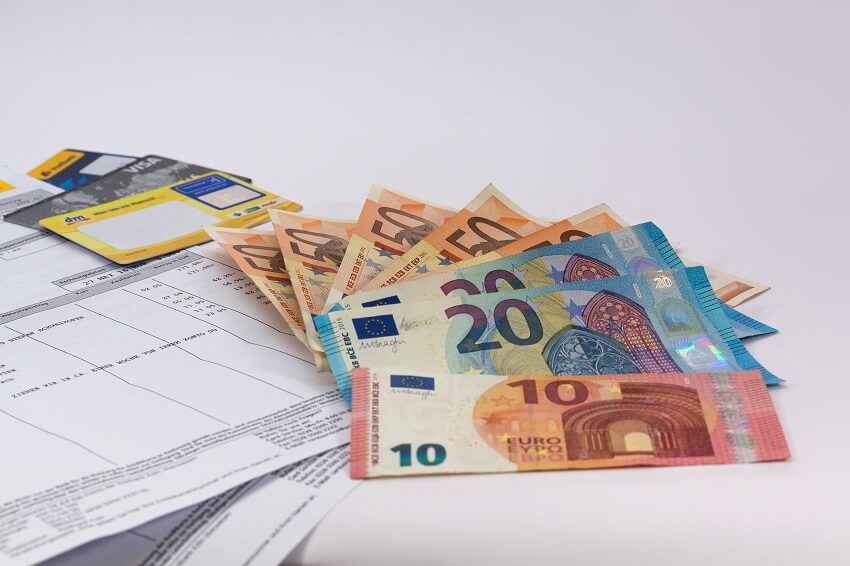
In today’s digitized world, the need for fast, efficient and cost-effective payment methods is becoming increasingly urgent. The European Union (EU) has recognized this and has taken an important step towards full digital financial integration with instant transfers without additional costs. As part of its efforts to create a single digital market, the EU has introduced a series of measures to harmonize payment services across the 27 member states and modernize the 2012 Single Euro Payments Area (SEPA) Regulation. One of the most important initiatives in this regard is the introduction of instant transfers without additional costs.
Immediate transfer free of charge within the EU
In today’s digitized world, the need for fast, efficient and cost-effective payment methods is becoming increasingly urgent. The European Union (EU) has recognized this and has taken an important step towards full digital financial integration with instant transfers without additional costs. As part of its efforts to create a single digital market, the EU has introduced a series of measures to harmonize payment services across the 27 member states and modernize the 2012 Single Euro Payments Area (SEPA) Regulation. One of the most important initiatives in this regard is the introduction of instant transfers without additional costs.
A step towards full digital financial integration
A step towards full digital financial integration
Traditional bank transfers have some limitations. They are normally only processed during normal business hours and do not reach the recipient until the next working day. This can sometimes lead to delays of up to three days, especially if there is a weekend in between. On the other hand, there are the so-called instant payments or instant transfers, which make it possible to transfer money in just a few seconds. However, there are still significant differences between EU Member States regarding the availability of these instant payments and the associated costs.
Although traditional transfers are still widespread and instant payments have so far only been used for 11 percent of all transfers in euros, there is an upward trend. Valdis Dombrovskis, Vice-President for Economic Orientation for the Good of People, emphasizes that instant payments will become the norm in many countries in the future.
Traditional bank transfers have some limitations. They are normally only processed during normal business hours and do not reach the recipient until the next working day. This can sometimes lead to delays of up to three days, especially if there is a weekend in between. On the other hand, there are the so-called instant payments or instant transfers, which make it possible to transfer money in just a few seconds. However, there are still significant differences between EU Member States regarding the availability of these instant payments and the associated costs.
Although traditional transfers are still widespread and instant payments have so far only been used for 11 percent of all transfers in euros, there is an upward trend. Valdis Dombrovskis, Vice-President for Economic Orientation for the Good of People, emphasizes that instant payments will become the norm in many countries in the future.
The role of the European Central Bank (ECB)
The role of the European Central Bank (ECB)
The European Central Bank (ECB) plays a crucial role in promoting and implementing instant payments, also known as instant transfers, within the Eurozone. Her commitment is particularly evident in the development and implementation of the TARGET Instant Payment Settlement (TIPS) system.
The European Central Bank (ECB) plays a crucial role in promoting and implementing instant payments, also known as instant transfers, within the Eurozone. Her commitment is particularly evident in the development and implementation of the TARGET Instant Payment Settlement (TIPS) system.
Benefits and Effects
Benefits and Effects
At first glance, the introduction of instant transfers without additional costs in the EU brings a multitude of advantages for both consumers and companies.
At first glance, the introduction of instant transfers without additional costs in the EU brings a multitude of advantages for both consumers and companies.
Challenges and Future prospects
Challenges and Future prospects
Although there are undoubtedly many advantages to introducing instant transfers without additional costs in the EU, there are also challenges. One of them is the need to ensure the security and protection of consumers in these transactions. The EU and its Member States must continue to invest in improving security protocols and standards to fight fraud and cybercrime.
Nevertheless, the future of instant transfers in the EU is promising. With the ongoing digitalization and the growth of e-commerce, these types of payments are likely to become more and more popular. With the steady support of the EU and the ECB, this could be an important step towards full digital financial integration in Europe.
Tip: In the context of this article, also read: Digital Euro – Digital ID and wallet mandatory
Although there are undoubtedly many advantages to introducing instant transfers without additional costs in the EU, there are also challenges. One of them is the need to ensure the security and protection of consumers in these transactions. The EU and its Member States must continue to invest in improving security protocols and standards to fight fraud and cybercrime.
Nevertheless, the future of instant transfers in the EU is promising. With the ongoing digitalization and the growth of e-commerce, these types of payments are likely to become more and more popular. With the steady support of the EU and the ECB, this could be an important step towards full digital financial integration in Europe.
Tip: In the context of this article, also read: Digital Euro – Digital ID and wallet mandatory
Popular Posts:

Die Renaissance des Büros: Warum Präsenz manchmal unschlagbar ist
Homeoffice bietet Fokus, doch das Büro bleibt als sozialer Anker unverzichtbar. Spontane Innovation, direktes Voneinander-Lernen und echtes Wir-Gefühl sind digital kaum zu ersetzen. Lesen Sie, warum Präsenz oft besser ist und wie die ideale Mischung für moderne Teams aussieht.

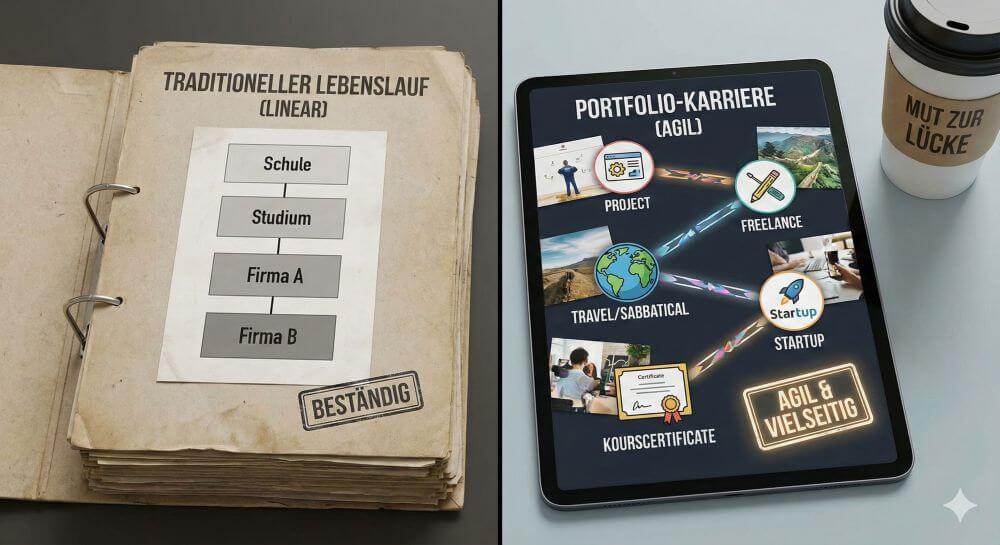
New Work & Moderne Karriere: Warum die Karriereleiter ausgedient hat
Die klassische Karriereleiter hat ausgedient. New Work fordert ein neues Denken: Skills statt Titel, Netzwerk statt Hierarchie. Erfahre, warum das "Karriere-Klettergerüst" deine neue Realität ist und wie du dich mit 4 konkreten Schritten zukunftssicher aufstellst.

Die Homeoffice-Falle: Warum unsichtbare Arbeit deine Beförderung gefährdet
Produktiv im Homeoffice, doch befördert wird der Kollege im Büro? Willkommen in der Homeoffice-Falle. "Proximity Bias" lässt deine Leistung oft unsichtbar werden. Lerne 4 Strategien, wie du auch remote sichtbar bleibst und deine Karriere sicherst – ganz ohne Wichtigtuerei.

Microsoft Loop in Teams: The revolution of your notes?
What exactly are these Loop components in Microsoft Teams? We'll show you how these "living mini-documents" can accelerate your teamwork. From dynamic agendas to shared, real-time checklists – discover practical use cases for your everyday work.

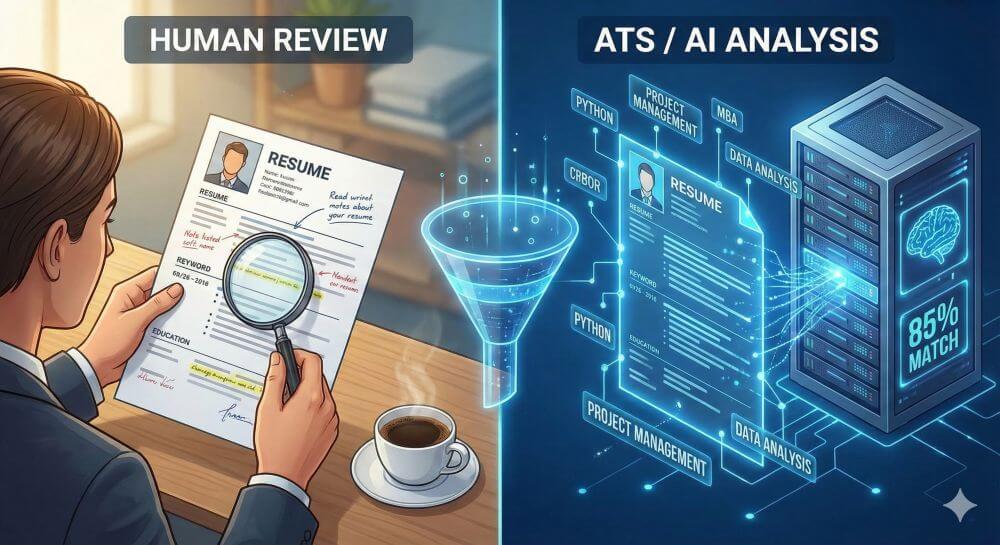
Career booster 2026: These Microsoft Office skills will take you further!
A new year, new career opportunities! But which Office skills will really be in demand in 2026? "Skilled use" is no longer enough. We'll show you today's must-haves – like advanced Excel, using AI in the office, and relevant certifications for your resume.

Why Zero Trust doesn’t work without identity protection!
Zero Trust means: Trust no one, verify everyone. Identity protection is at the heart of this modern security model. Learn how IAM, MFA, Conditional Access, and the principle of least privilege effectively protect your business when the old network perimeter is gone.
Offers 2024: Word & Excel Templates
Popular Posts:
Die Renaissance des Büros: Warum Präsenz manchmal unschlagbar ist
Homeoffice bietet Fokus, doch das Büro bleibt als sozialer Anker unverzichtbar. Spontane Innovation, direktes Voneinander-Lernen und echtes Wir-Gefühl sind digital kaum zu ersetzen. Lesen Sie, warum Präsenz oft besser ist und wie die ideale Mischung für moderne Teams aussieht.
New Work & Moderne Karriere: Warum die Karriereleiter ausgedient hat
Die klassische Karriereleiter hat ausgedient. New Work fordert ein neues Denken: Skills statt Titel, Netzwerk statt Hierarchie. Erfahre, warum das "Karriere-Klettergerüst" deine neue Realität ist und wie du dich mit 4 konkreten Schritten zukunftssicher aufstellst.
Die Homeoffice-Falle: Warum unsichtbare Arbeit deine Beförderung gefährdet
Produktiv im Homeoffice, doch befördert wird der Kollege im Büro? Willkommen in der Homeoffice-Falle. "Proximity Bias" lässt deine Leistung oft unsichtbar werden. Lerne 4 Strategien, wie du auch remote sichtbar bleibst und deine Karriere sicherst – ganz ohne Wichtigtuerei.
Microsoft Loop in Teams: The revolution of your notes?
What exactly are these Loop components in Microsoft Teams? We'll show you how these "living mini-documents" can accelerate your teamwork. From dynamic agendas to shared, real-time checklists – discover practical use cases for your everyday work.
Career booster 2026: These Microsoft Office skills will take you further!
A new year, new career opportunities! But which Office skills will really be in demand in 2026? "Skilled use" is no longer enough. We'll show you today's must-haves – like advanced Excel, using AI in the office, and relevant certifications for your resume.
Why Zero Trust doesn’t work without identity protection!
Zero Trust means: Trust no one, verify everyone. Identity protection is at the heart of this modern security model. Learn how IAM, MFA, Conditional Access, and the principle of least privilege effectively protect your business when the old network perimeter is gone.
Offers 2024: Word & Excel Templates