How to remove annoying cookie notices


You didn’t even have to pay attention to notice that the cookie information on websites has changed significantly in recent months. Because now it is no longer only referred to cookies, but many offer the possibility to have the type of cookies regulated by the user.
But why do website operators actually do this and can’t you just deactivate all of this? Because many users are now annoyed not only by pop-up windows that ask for a newsletter (or very bad) play advertising videos without being asked, but also by the same messages whether these or those cookies are accepted.

How to remove annoying cookie notices
You didn’t even have to pay attention to notice that the cookie information on websites has changed significantly in recent months. Because now it is no longer only referred to cookies, but many offer the possibility to have the type of cookies regulated by the user.
But why do website operators actually do this and can’t you just deactivate all of this? Because many users are now annoyed not only by pop-up windows that ask for a newsletter (or very bad) play advertising videos without being asked, but also by the same messages whether these or those cookies are accepted.
Cookies also have many advantages
Since the introduction of the GDPR, the cookies used by most websites have almost been demonized because the self-determined use of data by website visitors was seen to be at risk. And in some cases this worry is not without foundation when you look at how large tech companies in particular work with personalized data, and pass it on to third parties without the knowledge of the user.
Most of the cookies used by website operators are analysis services and marketing cookies. In the analysis services, Google Analytics is one of the most important tools that provide information on how many users have visited the website and which pages have been accessed the most. The length of the visit is also a decisive factor that shows whether content is relevant to the user or whether readjustment is necessary here.
First and foremost, the analysis cookies are actually about improving the user experience and adapting it if necessary. Because nothing is worse for website operators than if the number of visitors declines or the bounce rate increases, and there is nothing you can do about it to improve the page for everyone because the data is simply missing.
These cookies are therefore also part of the “necessary cookies” which cannot be deselected via the cookie notice, but can be prevented with other tracking tools.
Anyone who prevents these necessary analysis services with external tools because there are uncertainties regarding personal data can be reassured. Because the data that are collected are completely anonymized. A website operator could never say that, for example, Mr. / Mrs. XY visited the following pages on the day and the day. The data depth provided by analysis services such as Google Analytics go geographically down to the city level, and an estimate can be made as to whether it is a male or female visitor.
The fear that one will be identified and completely pursued here is therefore unfounded. The situation is somewhat different with tracking tools used by large tech groups and social media services. Because here you usually maintain a customer account in which a lot of personal data has been stored. It is actually possible for these pages to determine relatively precisely which user is on which website.
Following this, the marketing cookies, which are extremely important for such sites, are used.
Each of us knows with certainty the situation that you were interested in a certain product, and shortly afterwards you can find exactly the right advertisements on all possible websites that you later visit, as if by magic. Even long after you have perhaps bought the product or lost interest in it. Incidentally, this has something to do with the duration of cookies. Because cookies are not only set once and then remain so until you maybe actively delete them, but they have a kind of half-life after which they are updated or set so that virtually no advertisements are displayed that have no chance of success.
You can also easily try it out yourself by calling up any page on which an advertisement for a product for which you have recently been interested appears, then simply delete the cookies in your browser and simply update the page again. You will then see that this ad has suddenly disappeared, and either none (rather unlikely) or a completely different advertisement appears, which may be less related to your interests and more related to the content of the page.
Note:
By the way, if you use the “Delete all cookies” function in your browser, you will also find that you have to log in to your Facebook account or your Amazon account and the like. Because login information is also stored in cookies so that you don’t have to log in again every time.
Cookies also have many advantages
Since the introduction of the GDPR, the cookies used by most websites have almost been demonized because the self-determined use of data by website visitors was seen to be at risk. And in some cases this worry is not without foundation when you look at how large tech companies in particular work with personalized data, and pass it on to third parties without the knowledge of the user.
Most of the cookies used by website operators are analysis services and marketing cookies. In the analysis services, Google Analytics is one of the most important tools that provide information on how many users have visited the website and which pages have been accessed the most. The length of the visit is also a decisive factor that shows whether content is relevant to the user or whether readjustment is necessary here.
First and foremost, the analysis cookies are actually about improving the user experience and adapting it if necessary. Because nothing is worse for website operators than if the number of visitors declines or the bounce rate increases, and there is nothing you can do about it to improve the page for everyone because the data is simply missing.
These cookies are therefore also part of the “necessary cookies” which cannot be deselected via the cookie notice, but can be prevented with other tracking tools.
Anyone who prevents these necessary analysis services with external tools because there are uncertainties regarding personal data can be reassured. Because the data that are collected are completely anonymized. A website operator could never say that, for example, Mr. / Mrs. XY visited the following pages on the day and the day. The data depth provided by analysis services such as Google Analytics go geographically down to the city level, and an estimate can be made as to whether it is a male or female visitor.
The fear that one will be identified and completely pursued here is therefore unfounded. The situation is somewhat different with tracking tools used by large tech groups and social media services. Because here you usually maintain a customer account in which a lot of personal data has been stored. It is actually possible for these pages to determine relatively precisely which user is on which website.
Following this, the marketing cookies, which are extremely important for such sites, are used.
Each of us knows with certainty the situation that you were interested in a certain product, and shortly afterwards you can find exactly the right advertisements on all possible websites that you later visit, as if by magic. Even long after you have perhaps bought the product or lost interest in it. Incidentally, this has something to do with the duration of cookies. Because cookies are not only set once and then remain so until you maybe actively delete them, but they have a kind of half-life after which they are updated or set so that virtually no advertisements are displayed that have no chance of success.
You can also easily try it out yourself by calling up any page on which an advertisement for a product for which you have recently been interested appears, then simply delete the cookies in your browser and simply update the page again. You will then see that this ad has suddenly disappeared, and either none (rather unlikely) or a completely different advertisement appears, which may be less related to your interests and more related to the content of the page.
Note:
By the way, if you use the “Delete all cookies” function in your browser, you will also find that you have to log in to your Facebook account or your Amazon account and the like. Because login information is also stored in cookies so that you don’t have to log in again every time.
Hide cookie information via browser plug-in
Cookies are therefore generally not to be rated as negative or as positive. As usual, the truth lies somewhere in between. The services that we use in particular from Google with its diverse possibilities every day would never be possible in quality and accuracy without these companies having data about the users in order to improve services.
However, since, as I said, the cookie messages are really annoying, and pop up so oversized on the screen that it is only exhausting, there are now corresponding browser extensions with which the messages can be hidden.


Hide cookie information via browser plug-in
Cookies are therefore generally not to be rated as negative or as positive. As usual, the truth lies somewhere in between. The services that we use in particular from Google with its diverse possibilities every day would never be possible in quality and accuracy without these companies having data about the users in order to improve services.
However, since, as I said, the cookie messages are really annoying, and pop up so oversized on the screen that it is only exhausting, there are now corresponding browser extensions with which the messages can be hidden.
Popular Posts:

Dynamic ranges in Excel: OFFSET function
The OFFSET function in Excel creates a flexible reference. Instead of fixing =SUM(B5:B7), the function finds the range itself, e.g., for the "last 3 months". Ideal for dynamic charts or dashboards that grow automatically.
Mastering the INDIRECT function in Excel
The INDIRECT function in Excel converts text into a real reference. Instead of manually typing =January!E10, use =INDIRECT(A2 & "!E10"), where A2 contains 'January'. This allows you to easily create dynamic summaries for multiple worksheets.

From assistant to agent: Microsoft’s Copilot
Copilot is growing up: Microsoft's AI is no longer an assistant, but a proactive agent. With "Vision," it sees your Windows desktop; in M365, it analyzes data as a "Researcher"; and in GitHub, it autonomously corrects code. The biggest update yet.

Windows 12: Where is it? The current status in October 2025
Everyone was waiting for Windows 12 in October 2025, but it didn't arrive. Instead, Microsoft is focusing on Windows 11 25H2 and "Copilot+ PC" features. We'll explain: Is Windows 12 canceled, postponed, or is it already available as an AI update for Windows 11?

Blocking websites on Windows using the hosts file
Want to block unwanted websites in Windows? You can do it without extra software using the hosts file. We'll show you how to edit the file as an administrator and redirect domains like example.de to 127.0.0.1. This will block them immediately in all browsers.

The “Zero Inbox” method with Outlook: How to permanently get your mailbox under control.
Caught red-handed? Your Outlook inbox has 1000+ emails? That's pure stress. Stop the email deluge with the "Zero Inbox" method. We'll show you how to clean up your inbox and regain control using Quick Steps and rules.
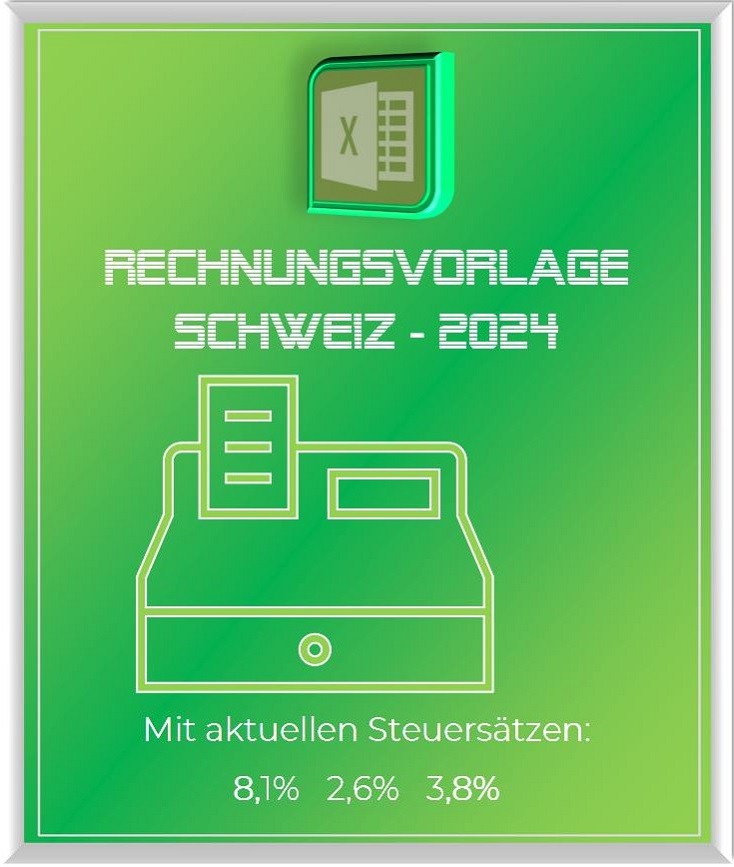
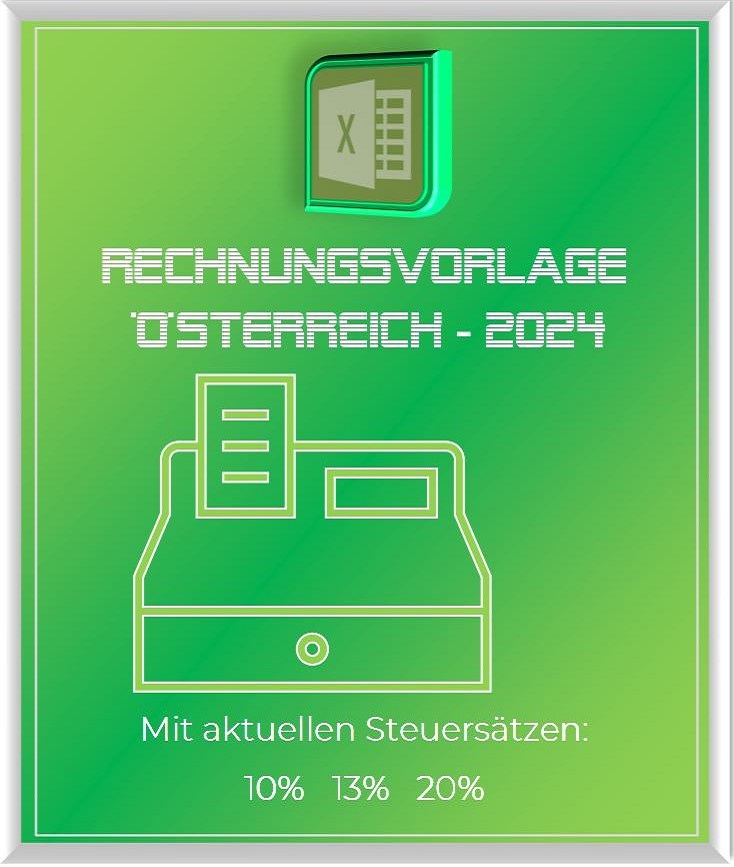
Offers 2024: Word & Excel Templates









Popular Posts:
Dynamic ranges in Excel: OFFSET function
The OFFSET function in Excel creates a flexible reference. Instead of fixing =SUM(B5:B7), the function finds the range itself, e.g., for the "last 3 months". Ideal for dynamic charts or dashboards that grow automatically.
Mastering the INDIRECT function in Excel
The INDIRECT function in Excel converts text into a real reference. Instead of manually typing =January!E10, use =INDIRECT(A2 & "!E10"), where A2 contains 'January'. This allows you to easily create dynamic summaries for multiple worksheets.
From assistant to agent: Microsoft’s Copilot
Copilot is growing up: Microsoft's AI is no longer an assistant, but a proactive agent. With "Vision," it sees your Windows desktop; in M365, it analyzes data as a "Researcher"; and in GitHub, it autonomously corrects code. The biggest update yet.
Windows 12: Where is it? The current status in October 2025
Everyone was waiting for Windows 12 in October 2025, but it didn't arrive. Instead, Microsoft is focusing on Windows 11 25H2 and "Copilot+ PC" features. We'll explain: Is Windows 12 canceled, postponed, or is it already available as an AI update for Windows 11?
Blocking websites on Windows using the hosts file
Want to block unwanted websites in Windows? You can do it without extra software using the hosts file. We'll show you how to edit the file as an administrator and redirect domains like example.de to 127.0.0.1. This will block them immediately in all browsers.
The “Zero Inbox” method with Outlook: How to permanently get your mailbox under control.
Caught red-handed? Your Outlook inbox has 1000+ emails? That's pure stress. Stop the email deluge with the "Zero Inbox" method. We'll show you how to clean up your inbox and regain control using Quick Steps and rules.
Offers 2024: Word & Excel Templates