Fake email invoices: The expensive click


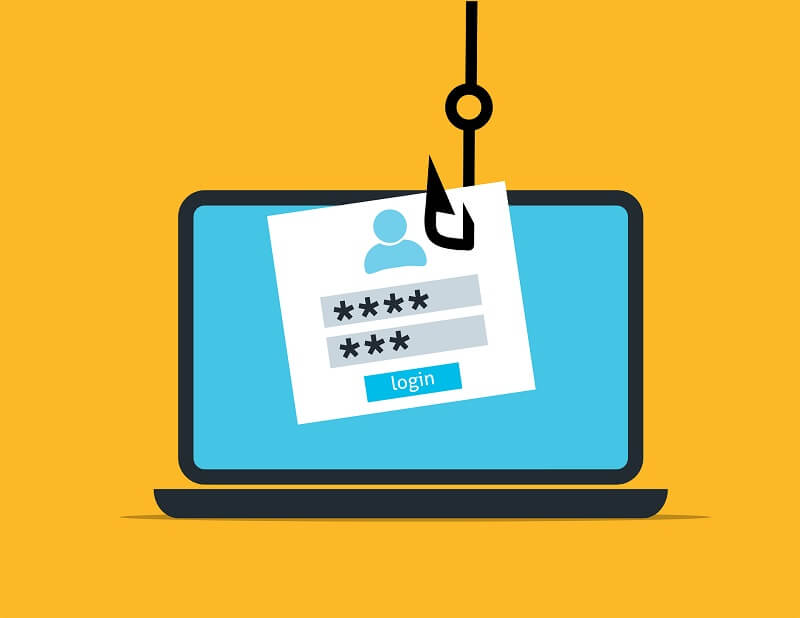
In the digital world, scams are commonplace and one of the most common scams is fake invoices sent via email. If a customer falls for such an email and pays the requested amount, it can be complicated and often impossible to get the money back. Scammers are becoming more sophisticated and the legal hurdles are high. This article sheds light on the legal aspects, gives tips on how to protect yourself and shows why the responsibility often lies with the customer himself. At a time when online transactions are becoming more common, understanding these issues is more important than ever.
Fake email invoices: The expensive click
In the digital world, scams are commonplace and one of the most common scams is fake invoices sent via email. If a customer falls for such an email and pays the requested amount, it can be complicated and often impossible to get the money back. Scammers are becoming more sophisticated and the legal hurdles are high. This article sheds light on the legal aspects, gives tips on how to protect yourself and shows why the responsibility often lies with the customer himself. At a time when online transactions are becoming more common, understanding these issues is more important than ever.
The scam with the fake invoice
The scam with the fake invoice
Fake invoices via email are a growing problem. Scammers often use official-looking logos and wording to trick their victims. The invoices may be for products or services that were never ordered or delivered.
How to recognize fake emails?
1. Unknown Sender
If the email comes from an unknown or suspicious address, one should be careful. Scammers often use similar but slightly different email addresses that appear legitimate at first glance.
2. Spelling and grammatical errors
Many fake emails contain spelling and grammatical errors. Professional companies usually pay attention to correct language.
3. Unusual salutation
If the email begins with a generic or unusual salutation, such as “Dear Customer” instead of your name, this could be an indication of a spoofed email.
4. Request for personal information
Phishing emails often ask for personal or financial information to be disclosed. Legitimate companies typically do not ask for such sensitive information via email.
5. Urgency
A common tactic used by scammers is to feign urgency, such as threatening fines or banning accounts if immediate action is not taken.
6. Unusual links or attachments
Suspicious links or attachments, especially if not expected, should be a red flag. Hover your mouse over the link (without clicking) to see the actual URL. Supposed invoices that are sent as an HTML document instead of the usual PDF document are also popular. If you receive an email with such an attachment, you can delete the email immediately. Because here you will also be directed to a fake website.
7. Unusual requests
If the email asks you to do something unusual, like pay an unfamiliar bill or click an unfamiliar link, be skeptical.
8. Check the company
If you are unsure whether an email is legitimate, contact the company directly using the official website or phone number, not the contact information provided in the suspicious email.

Fake invoices via email are a growing problem. Scammers often use official-looking logos and wording to trick their victims. The invoices may be for products or services that were never ordered or delivered.
How to recognize fake emails?
1. Unknown Sender
If the email comes from an unknown or suspicious address, one should be careful. Scammers often use similar but slightly different email addresses that appear legitimate at first glance.
2. Spelling and grammatical errors
Many fake emails contain spelling and grammatical errors. Professional companies usually pay attention to correct language.
3. Unusual salutation
If the email begins with a generic or unusual salutation, such as “Dear Customer” instead of your name, this could be an indication of a spoofed email.
4. Request for personal information
Phishing emails often ask for personal or financial information to be disclosed. Legitimate companies typically do not ask for such sensitive information via email.
5. Urgency
A common tactic used by scammers is to feign urgency, such as threatening fines or banning accounts if immediate action is not taken.
6. Unusual links or attachments
Suspicious links or attachments, especially if not expected, should be a red flag. Hover your mouse over the link (without clicking) to see the actual URL. Supposed invoices that are sent as an HTML document instead of the usual PDF document are also popular. If you receive an email with such an attachment, you can delete the email immediately. Because here you will also be directed to a fake website.
7. Unusual requests
If the email asks you to do something unusual, like pay an unfamiliar bill or click an unfamiliar link, be skeptical.
8. Check the company
If you are unsure whether an email is legitimate, contact the company directly using the official website or phone number, not the contact information provided in the suspicious email.
Legal Aspects
Legal Aspects
When a customer falls for a fake bill and pays, the responsibility often lies with them. Banks are usually not required to return the money because the transaction was authorized by the customer. However, there are some legal options that need to be checked on a case-by-case basis.
1. Prosecution of Fraudsters
Prosecuting perpetrators can be difficult, especially when they are based abroad. However, it is important to report the scam to the police as it can increase the chances of catching the perpetrators and bringing them to justice.
2. Consumer Protection
Some jurisdictions have consumer protection laws that could protect the consumer in certain circumstances. However, the exact rights and obligations may vary from country to country and from case to case.
3. Civil Claims
It might be possible to bring civil claims against the bank or company concerned if it can be shown that they acted negligently. However, this could be a lengthy and expensive process.
4. Privacy
If personal information was compromised through the scam, data protection laws could be relevant. Companies that do not adequately protect their customer data could be legally prosecuted.
5. Insurance Coverage
Some insurance policies may offer protection against fraud. It is worth checking your own insurance conditions and, if necessary, speaking to the insurer.
6. Legal advice
Since the legal situation is complex and depends on many factors, it is advisable to consult a lawyer in the event of fraud. A professional can assess the specific situation and indicate the best way to assert rights.
However, I warn against getting too much hope for success with the legal possibilities. Because it is not uncommon for the scammers to be based somewhere abroad and are hardly vulnerable to EU or even German law. Even tracking down the actual location of the company can become a detective work that customers then give up in exasperation.
The most important means and the best protection against fake invoices and fake shops on the Internet is and remains prevention, so that it doesn’t get that far in the first place. Take the time to check everything carefully in advance and use payment service providers with buyer protection such as PayPal.
When a customer falls for a fake bill and pays, the responsibility often lies with them. Banks are usually not required to return the money because the transaction was authorized by the customer. However, there are some legal options that need to be checked on a case-by-case basis.
1. Prosecution of Fraudsters
Prosecuting perpetrators can be difficult, especially when they are based abroad. However, it is important to report the scam to the police as it can increase the chances of catching the perpetrators and bringing them to justice.
2. Consumer Protection
Some jurisdictions have consumer protection laws that could protect the consumer in certain circumstances. However, the exact rights and obligations may vary from country to country and from case to case.
3. Civil Claims
It might be possible to bring civil claims against the bank or company concerned if it can be shown that they acted negligently. However, this could be a lengthy and expensive process.
4. Privacy
If personal information was compromised through the scam, data protection laws could be relevant. Companies that do not adequately protect their customer data could be legally prosecuted.
5. Insurance Coverage
Some insurance policies may offer protection against fraud. It is worth checking your own insurance conditions and, if necessary, speaking to the insurer.
6. Legal advice
Since the legal situation is complex and depends on many factors, it is advisable to consult a lawyer in the event of fraud. A professional can assess the specific situation and indicate the best way to assert rights.
However, I warn against getting too much hope for success with the legal possibilities. Because it is not uncommon for the scammers to be based somewhere abroad and are hardly vulnerable to EU or even German law. Even tracking down the actual location of the company can become a detective work that customers then give up in exasperation.
The most important means and the best protection against fake invoices and fake shops on the Internet is and remains prevention, so that it doesn’t get that far in the first place. Take the time to check everything carefully in advance and use payment service providers with buyer protection such as PayPal.

Popular Posts

Microsoft Loop in Teams: The revolution of your notes?
What exactly are these Loop components in Microsoft Teams? We'll show you how these "living mini-documents" can accelerate your teamwork. From dynamic agendas to shared, real-time checklists – discover practical use cases for your everyday work.

Career booster 2026: These Microsoft Office skills will take you further!
A new year, new career opportunities! But which Office skills will really be in demand in 2026? "Skilled use" is no longer enough. We'll show you today's must-haves – like advanced Excel, using AI in the office, and relevant certifications for your resume.

The business of your inbox: Who buys and sells email addresses, and what they cost.
Your email address is a valuable commodity. Hackers sell it on the dark web, and marketers pay for verified contacts. This article examines the mechanisms of this trade, specifies concrete prices per record, and provides tips on how to prevent your data from becoming a commodity.

AI in Hollywood: The silent revolution of the dream factory
AI in Hollywood is more than just de-aging and VFX. It analyzes scripts, optimizes marketing, and was central to the WGA and SAG AFTRA strikes. Learn how AI is revolutionizing the dream factory – balancing efficiency, new creativity, and concerns about jobs.

The heart of AI regulation: What is the EU’s new “AI office”?
The new EU AI Office (European AI Office) is the central authority for enforcing and monitoring the AI Act. It regulates high-risk AI and general-purpose AI models (GPAI), coordinates EU member states, and promotes trustworthy AI innovation in Europe.

Beyond the Cloud: Why the Future of IT is Hybrid and Multi-Cloud
The future isn't just public cloud. Learn why companies are using hybrid cloud (public + private) for data sovereignty and multi-cloud (AWS, Azure, GCP) to combat vendor lock-in. Discover the right strategy for flexibility, cost control, and scalability in cloud computing.
Offers 2024: Word & Excel Templates







Popular Posts
Microsoft Loop in Teams: The revolution of your notes?
What exactly are these Loop components in Microsoft Teams? We'll show you how these "living mini-documents" can accelerate your teamwork. From dynamic agendas to shared, real-time checklists – discover practical use cases for your everyday work.
Career booster 2026: These Microsoft Office skills will take you further!
A new year, new career opportunities! But which Office skills will really be in demand in 2026? "Skilled use" is no longer enough. We'll show you today's must-haves – like advanced Excel, using AI in the office, and relevant certifications for your resume.
The business of your inbox: Who buys and sells email addresses, and what they cost.
Your email address is a valuable commodity. Hackers sell it on the dark web, and marketers pay for verified contacts. This article examines the mechanisms of this trade, specifies concrete prices per record, and provides tips on how to prevent your data from becoming a commodity.
AI in Hollywood: The silent revolution of the dream factory
AI in Hollywood is more than just de-aging and VFX. It analyzes scripts, optimizes marketing, and was central to the WGA and SAG AFTRA strikes. Learn how AI is revolutionizing the dream factory – balancing efficiency, new creativity, and concerns about jobs.
The heart of AI regulation: What is the EU’s new “AI office”?
The new EU AI Office (European AI Office) is the central authority for enforcing and monitoring the AI Act. It regulates high-risk AI and general-purpose AI models (GPAI), coordinates EU member states, and promotes trustworthy AI innovation in Europe.
Beyond the Cloud: Why the Future of IT is Hybrid and Multi-Cloud
The future isn't just public cloud. Learn why companies are using hybrid cloud (public + private) for data sovereignty and multi-cloud (AWS, Azure, GCP) to combat vendor lock-in. Discover the right strategy for flexibility, cost control, and scalability in cloud computing.
Offers 2024: Word & Excel Templates