Amazon plans its own Satellite Internet from 2024


Elon Musk has already launched his own satellite network with Starlink since 2020 in order to offer Internet access for people who have not been able to be supplied up to now, and thus of course had a considerable competitive and information disadvantage compared to the well-supplied regions of the world. After all, around 40% of the world’s people still have no internet, and digitization is just a theoretical term without content for you. Even in North America, around 44 million people are still not using the possibilities of the internet. Even if this is more of a conscious decision.
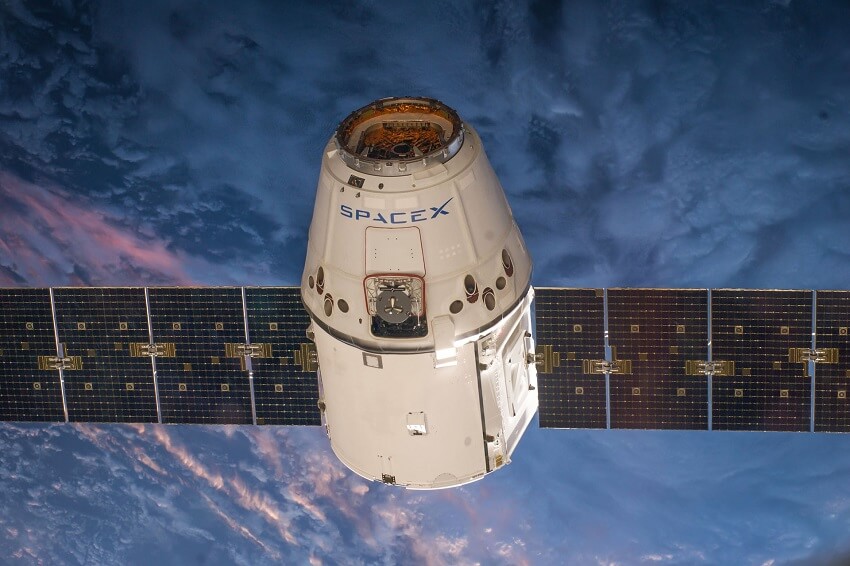
As the next tech giant, Amazon now also wants to get involved in this not inconsiderable market and launch its own satellite internet from 2024. The preparations for this are already in full swing.
Amazon plans its own Satellite Internet from 2024
Elon Musk has already launched his own satellite network with Starlink since 2020 in order to offer Internet access for people who have not been able to be supplied up to now, and thus of course had a considerable competitive and information disadvantage compared to the well-supplied regions of the world. After all, around 40% of the world’s people still have no internet, and digitization is just a theoretical term without content for you. Even in North America, around 44 million people are still not using the possibilities of the internet. Even if this is more of a conscious decision.
As the next tech giant, Amazon now also wants to get involved in this not inconsiderable market and launch its own satellite internet from 2024. The preparations for this are already in full swing.
Up to 400 Mbit/s performance should be possible
Up to 400 Mbit/s performance should be possible
Amazon has presented how the planned satellite Internet called “Project Kuiper” will be made available to customers using three different antennas. The antennas vary in size and power, offering different internet speeds and are said to cost less than $500. Although Amazon has not yet announced retail prices, the service is only planned for next year, i.e. 2024. The prices for the euro area should probably be taken over 1 to 1 as usual without taking the exchange rate into account, so that we in Germany could be with prices around 499 €.
First this year, Amazon plans to launch two prototype satellites into orbit using the new Vulcan Centaur rocket from United Launch Alliance (ULA), a joint venture between Boeing and Lockheed Martin. The exact launch date has not yet been set, but mass production of the small satellites is expected to begin by the end of 2023. The first launches of this batch are planned for the first half of 2024, while the internet service is planned to be launched in the same year.
At a satellite conference in Washington, Amazon presented three different antennas that will be available to receive its satellite Internet. The standard model is square, about 11 inches on a side, about 1 inch thick and weighs about 5 pounds. Internet speeds of up to 400 Mbit/s should be possible with this model. Amazon plans to make this antenna model for less than $400 each, which is about the same as Starlink’s price point.
Currently, SpaceX’s satellite internet costs about $500 to purchase the hardware, plus monthly fees of just under $100 to get bandwidths of up to 200 Mbps. Starlink also offers twice the speed for five times the price. However, the monthly costs for Amazon’s satellite Internet offer are not yet known. This could make Amazon a tough competitor for Starlink. Because in the end not only the performance, but above all the price will be decisive!
Amazon has presented how the planned satellite Internet called “Project Kuiper” will be made available to customers using three different antennas. The antennas vary in size and power, offering different internet speeds and are said to cost less than $500. Although Amazon has not yet announced retail prices, the service is only planned for next year, i.e. 2024. The prices for the euro area should probably be taken over 1 to 1 as usual without taking the exchange rate into account, so that we in Germany could be with prices around 499 €.
First this year, Amazon plans to launch two prototype satellites into orbit using the new Vulcan Centaur rocket from United Launch Alliance (ULA), a joint venture between Boeing and Lockheed Martin. The exact launch date has not yet been set, but mass production of the small satellites is expected to begin by the end of 2023. The first launches of this batch are planned for the first half of 2024, while the internet service is planned to be launched in the same year.
At a satellite conference in Washington, Amazon presented three different antennas that will be available to receive its satellite Internet. The standard model is square, about 11 inches on a side, about 1 inch thick and weighs about 5 pounds. Internet speeds of up to 400 Mbit/s should be possible with this model. Amazon plans to make this antenna model for less than $400 each, which is about the same as Starlink’s price point.
Currently, SpaceX’s satellite internet costs about $500 to purchase the hardware, plus monthly fees of just under $100 to get bandwidths of up to 200 Mbps. Starlink also offers twice the speed for five times the price. However, the monthly costs for Amazon’s satellite Internet offer are not yet known. This could make Amazon a tough competitor for Starlink. Because in the end not only the performance, but above all the price will be decisive!
Different bandwidths planned
Different bandwidths planned
Amazon has presented three different antennas for its satellite internet, including a compact model with an edge length of just 17.8 cm and a weight of less than half a kilogram. Internet speeds of up to 100 Mbit/s are expected to be achieved with this model, which makes it attractive for customers on a budget, but also for government agencies and companies that want to connect Internet of Things (IoT) devices.
The largest antenna that Amazon will offer for its satellite internet measures approximately 48 x 76 cm and offers a maximum speed of one gigabit per second. This model is intended for large companies, government agencies and telecommunications providers that require higher bandwidths than the other two variants offer.
A baseband chip developed by Amazon called “Prometheus” forms the basis for all three antenna models. The chip is said to combine the performance of a 5G modem chip found in current smartphones with the capabilities of a cellular base station capable of handling thousands of simultaneous connections. The Prometheus chip will also be deployed in Amazon’s Internet satellites and in gateway antennas on Earth to process Internet traffic at speeds of up to one terabit per second.
Amazon has presented three different antennas for its satellite internet, including a compact model with an edge length of just 17.8 cm and a weight of less than half a kilogram. Internet speeds of up to 100 Mbit/s are expected to be achieved with this model, which makes it attractive for customers on a budget, but also for government agencies and companies that want to connect Internet of Things (IoT) devices.
The largest antenna that Amazon will offer for its satellite internet measures approximately 48 x 76 cm and offers a maximum speed of one gigabit per second. This model is intended for large companies, government agencies and telecommunications providers that require higher bandwidths than the other two variants offer.
A baseband chip developed by Amazon called “Prometheus” forms the basis for all three antenna models. The chip is said to combine the performance of a 5G modem chip found in current smartphones with the capabilities of a cellular base station capable of handling thousands of simultaneous connections. The Prometheus chip will also be deployed in Amazon’s Internet satellites and in gateway antennas on Earth to process Internet traffic at speeds of up to one terabit per second.
Popular Posts:

So sieht das wirklich perfekte Homeoffice-Setup für 2026 aus
Ihr Homeoffice ist veraltet? Steigern Sie 2026 Produktivität & Gesundheit. Unser Guide zeigt das perfekte Setup: von ergonomischen Stühlen und 4K-Webcams bis zu Mesh-WLAN und Kabelmanagement. So investieren Sie in Ihre Karriere.

Internet, Telefon & TV: Die besten Komplettpakete
Internet, TV & Telefon aus einer Hand? Wir vergleichen die Komplettpakete von Telekom, Vodafone, O2 & 1&1. Wer punktet bei Speed, TV-Komfort (MagentaTV vs. GigaTV) und Preis? So finden Sie das beste Triple-Play-Angebot für Ihre Adresse.

5 Anzeichen, dass dein Chef dich im Homeoffice digital überwacht
Nur weil du im Homeoffice bist, heißt das nicht, dass dir niemand zusieht. "Bossware" ist auf dem Vormarsch. Wir zeigen 5 subtile Anzeichen für digitale Überwachung – von "Teams-Status"-Kult bis zu verdächtigen IT-Tools. So erkennst du die Warnsignale und schützt deine Karriere.

Schluss mit dem Tool-Chaos: 5 Apps, die Euer Office wirklich produktiver machen
Schluss mit digitaler Reibung: Diese 5 Apps machen Ihr Büro wirklich produktiver. Entdecken Sie, wie Asana, Loom, Notion, Zapier und Slack die Effizienz steigern, Meetings reduzieren und Ihr Team smarter vernetzen – wenn man sie richtig einsetzt.

AI in everyday office life: Your new invisible colleague
AI won't replace you – but those who use it will have a competitive edge. Make AI your co-pilot in the office! We'll show you four concrete hacks for faster emails, better meeting notes, and solved Excel problems. Get started today, no IT degree required.

Fünf vor Zwölf: Wie Sie erkennen, dass Sie kurz vor dem Burnout stehen
Erschöpfung ist normal, doch wenn das Wochenende keine Erholung mehr bringt und Zynismus die Motivation ersetzt, stehen Sie kurz vor dem Burnout. Erfahren Sie, welche 7 Warnsignale Sie niemals ignorieren dürfen und warum es jetzt lebenswichtig ist, die Notbremse zu ziehen
Offers 2024: Word & Excel Templates










Popular Posts:
So sieht das wirklich perfekte Homeoffice-Setup für 2026 aus
Ihr Homeoffice ist veraltet? Steigern Sie 2026 Produktivität & Gesundheit. Unser Guide zeigt das perfekte Setup: von ergonomischen Stühlen und 4K-Webcams bis zu Mesh-WLAN und Kabelmanagement. So investieren Sie in Ihre Karriere.
Internet, Telefon & TV: Die besten Komplettpakete
Internet, TV & Telefon aus einer Hand? Wir vergleichen die Komplettpakete von Telekom, Vodafone, O2 & 1&1. Wer punktet bei Speed, TV-Komfort (MagentaTV vs. GigaTV) und Preis? So finden Sie das beste Triple-Play-Angebot für Ihre Adresse.
5 Anzeichen, dass dein Chef dich im Homeoffice digital überwacht
Nur weil du im Homeoffice bist, heißt das nicht, dass dir niemand zusieht. "Bossware" ist auf dem Vormarsch. Wir zeigen 5 subtile Anzeichen für digitale Überwachung – von "Teams-Status"-Kult bis zu verdächtigen IT-Tools. So erkennst du die Warnsignale und schützt deine Karriere.
Schluss mit dem Tool-Chaos: 5 Apps, die Euer Office wirklich produktiver machen
Schluss mit digitaler Reibung: Diese 5 Apps machen Ihr Büro wirklich produktiver. Entdecken Sie, wie Asana, Loom, Notion, Zapier und Slack die Effizienz steigern, Meetings reduzieren und Ihr Team smarter vernetzen – wenn man sie richtig einsetzt.
AI in everyday office life: Your new invisible colleague
AI won't replace you – but those who use it will have a competitive edge. Make AI your co-pilot in the office! We'll show you four concrete hacks for faster emails, better meeting notes, and solved Excel problems. Get started today, no IT degree required.
Fünf vor Zwölf: Wie Sie erkennen, dass Sie kurz vor dem Burnout stehen
Erschöpfung ist normal, doch wenn das Wochenende keine Erholung mehr bringt und Zynismus die Motivation ersetzt, stehen Sie kurz vor dem Burnout. Erfahren Sie, welche 7 Warnsignale Sie niemals ignorieren dürfen und warum es jetzt lebenswichtig ist, die Notbremse zu ziehen
Offers 2024: Word & Excel Templates